
Event Transport Blog Saudi Arabia
Event Transport Blog gives long-form Saudi transport guidance for event planners, venues, hotels and corporate guest coordinators, covering guest waves, venue access, standby time and quote-ready next steps.
Use this long-form hub when you need practical guidance on guest arrivals, standby buses and venue movement. It is written for event planners, venues, hotels and corporate guest coordinators who want to understand the decision before sending a route, timing or vehicle request.
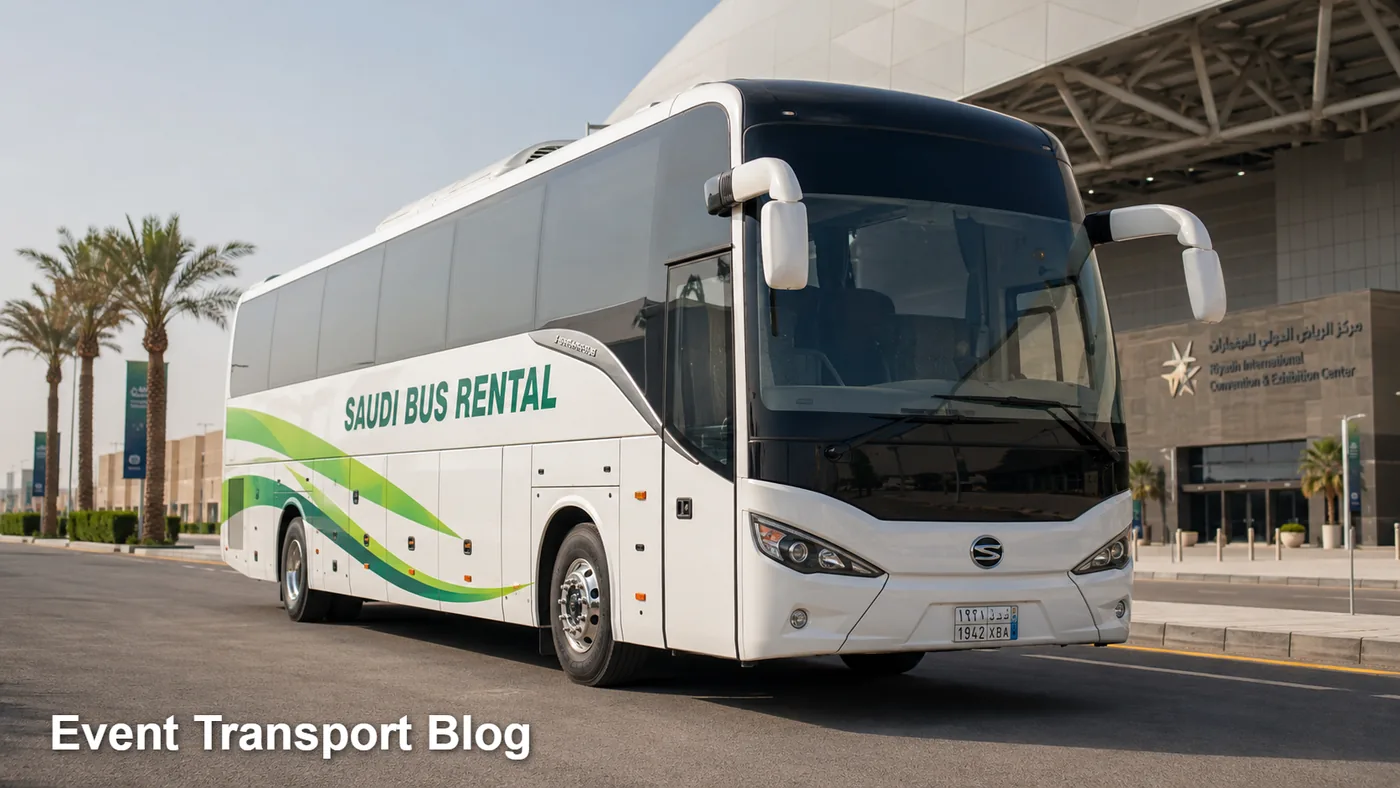
Event Transport Planning planning focus
This event transport planning hub is not a thin category label. It gives a complete planning path for event transport planning, from the first transport question to the details that help a coordinator prepare a useful enquiry. The content avoids unsupported dated article claims and focuses on evergreen decisions: what to check, what to send, what can change the answer and where to go next.
For event planners, venues, hotels and corporate guest coordinators, the most useful article is the one that removes doubt. That means explaining guest waves, venue access, standby time and return loop in a way that can be acted on. The visitor should leave with a clearer route brief, not only a longer page.
Useful topics inside this transport blog hub
These event transport planning cards summarize the main ideas to check before a quotation, booking or service discussion. Use the filter to focus on the point that matters most for this movement.
Guest Waves
Begin by writing the guest waves clearly, because it tells the team what the movement is really about. In practical use, the buyer should connect this point with guest waves, venue access and the real service window. That approach keeps event transport planning clear for the sales team and useful for the visitor who is still comparing options.
Venue Access
Review venue access before selecting a vehicle or asking for a fixed answer. For Saudi transport work, this is not a small wording detail. It affects how the route is checked, how the vehicle is selected and whether the request can move quickly from reading to a proper quote conversation.
Standby Time
Use standby time to separate a simple enquiry from a route that needs operational checking. The cleanest result comes when the coordinator writes this point together with standby time, return loop and the person responsible for approvals. Then the article becomes a practical step, not just background reading.
Return Loop
Confirm return loop early so the service window is not misunderstood. If this part is missing, the answer can become too broad. A better enquiry explains the movement in plain language and gives enough context for operations to understand the expected duty.
Vip Movement
Explain VIP movement when it changes the passenger, vehicle or site requirement. This also helps separate a simple one-time request from a recurring or higher-value arrangement. The difference matters because vehicles, drivers and waiting windows must be planned differently.
Event Coordinator
Keep event coordinator visible because it decides who approves updates and service-day changes. When buyers prepare this detail early, they reduce corrections later and make it easier to compare one transport option against another on the same scope.
How to turn reading into a better transport request
The event transport planning sections below give deeper planning logic. They add detail for a real request while keeping the wording natural and useful for the visitor.
How to use this hub before sending a request
Use this hub as a preparation step before sending a transport enquiry. Start with guest waves, then add venue access and standby time. The goal is not to copy article wording into a message. The goal is to understand what the sales team will need to check, what the operations team may ask later and what detail can change the first answer. A prepared buyer usually gets a clearer response because the movement already has a route, a time window and a decision path.
What the first message should make clear
A strong first message should explain who is travelling or what is moving, where the service starts, where it ends and when the vehicle is needed. For event transport planning, it should also mention return loop and VIP movement when those details matter. This avoids a weak estimate and gives the team enough information to review vehicle fit, driver timing, access restrictions and whether the request is better handled as a daily, event, monthly or project movement.
How to compare advice across pages
Different transport pages answer different questions for event transport planning. Pricing pages explain cost drivers, fleet pages help with vehicle choice, FAQ pages answer common doubts and the blog hub gives broader planning context. Compare pages by the decision they support, not by similar titles.
When to move from reading to a quote
The right time to request a quote is when the main facts are stable enough for review. The route does not need to be perfect, but the enquiry should include a date, a time, a starting point, a destination, an expected passenger or load requirement and one responsible contact. If event coordinator is still changing, say so clearly. Honest uncertainty is better than a fixed-looking message that has to be changed immediately after confirmation.
Details to prepare before asking sales
Prepare these event transport planning items before calling or submitting the enquiry. They help the team understand the actual movement behind the topic.
Guest Waves
Write the guest waves in simple words before asking for a quote. For event transport planning, this detail helps the team check route scope, timing and the practical next action instead of guessing from a short keyword.
Venue Access
Write the venue access in simple words before asking for a quote. For event transport planning, this detail helps the team check route scope, timing and the practical next action instead of guessing from a short keyword.
Standby Time
Write the standby time in simple words before asking for a quote. For event transport planning, this detail helps the team check route scope, timing and the practical next action instead of guessing from a short keyword.
Return Loop
Write the return loop in simple words before asking for a quote. For event transport planning, this detail helps the team check route scope, timing and the practical next action instead of guessing from a short keyword.
Vip Movement
Write the VIP movement in simple words before asking for a quote. For event transport planning, this detail helps the team check route scope, timing and the practical next action instead of guessing from a short keyword.
Event Coordinator
Write the event coordinator in simple words before asking for a quote. For event transport planning, this detail helps the team check route scope, timing and the practical next action instead of guessing from a short keyword.
Common mistakes that weaken the first answer
These event transport planning mistakes are common when buyers read guidance but do not translate it into a complete operational brief.
Sending only a service name
A message that names only this event transport planning topic does not explain the real movement. Add guest waves, venue access and the reason for the service so the reply can be useful.
Comparing different scopes
Do not compare two offers unless standby time, return loop and the service duration are the same. A lower price may exclude a timing or waiting detail that matters later.
Leaving the coordinator unclear
Event Transport Planning becomes harder when several people send different instructions. Name one contact who can confirm changes, answer questions and approve the final route.
Ignoring the final service day
This event transport planning guidance can support planning, but the service day still needs location accuracy, passenger discipline, access notes and a reachable contact when the vehicle reports.
Questions before using this blog category
The answers below support event transport planning decisions while staying clear that published guidance is not a final contract or fixed availability confirmation.
What should I learn from this hub?
Use this event transport planning hub to understand how guest arrivals, standby buses and venue movement should be prepared before a sales conversation. It gives the buyer a practical view of guest waves, venue access, standby time and the next step without pretending to be a final quotation.
Can this blog category replace a confirmed quote?
No. This event transport planning hub supports planning and helps you ask better questions. A confirmed price or booking still needs route, timing, passenger or load details, vehicle requirement and availability review.
Why does the same transport topic need several pages?
Buyers arrive at event transport planning from different starting points. Some begin with fleet choice, others with pricing, safety, airport movement, staff routes or project support. Separate pages keep each decision cleaner.
What should I prepare before contacting sales?
Prepare guest waves, venue access, standby time, return loop, the service date and one responsible contact. If any item is not final, mention that it is still being reviewed.
How can I avoid repeated follow-up questions?
For event transport planning, send one complete message instead of several small updates. Include route, timing, purpose, passengers or load, vehicle preference and any access or waiting detail.
What is the best next action after reading?
Open the closest related page if you are still comparing. If the route and timing are ready, use the quote path and share the full event transport planning requirement in one message.
Useful next pages after this blog
Use the next pages for focused follow-up decisions after event transport planning.
Event Transport FAQs
From event transport planning, use event transport faqs when that follow-up decision needs a more specific guide, FAQ or quote path.
Event Transport FAQsLuxury Bus Rental FAQs
From event transport planning, use luxury bus rental faqs when that follow-up decision needs a more specific guide, FAQ or quote path.
Luxury Bus Rental FAQsPricing FAQs
From event transport planning, use pricing faqs when that follow-up decision needs a more specific guide, FAQ or quote path.
Pricing FAQsGroup Travel Blog
From event transport planning, use group travel blog when that follow-up decision needs a more specific guide, FAQ or quote path.
Group Travel BlogAirport Transfer Blog
From event transport planning, use airport transfer blog when that follow-up decision needs a more specific guide, FAQ or quote path.
Airport Transfer BlogRequest A Quote
From event transport planning, use request a quote when that follow-up decision needs a more specific guide, FAQ or quote path.
Request A QuoteContact Saudi Bus Rental
From event transport planning, use contact saudi bus rental when that follow-up decision needs a more specific guide, FAQ or quote path.
Contact Saudi Bus RentalBlog
Use the main blog hub when the event transport planning reading step is complete and another transport topic needs review.
BlogSend your details after reading this hub
Share the route, date, time, passenger or load details and one responsible contact. The team can then review this event transport planning request, confirm the next step and advise which service path fits best.