
Route-Based Quote
Tell us the route, time, passengers and service type so our team can recommend a suitable fleet category.
Saudi Bus Rental LLC helps companies, hotels, contractors, schools, event planners and private groups book driver-included buses, vans, minibuses and coaches across Saudi Arabia. Share your pickup point, destination, passenger count, date, time, luggage and service type, and the team can guide you toward the right vehicle and quote scope.
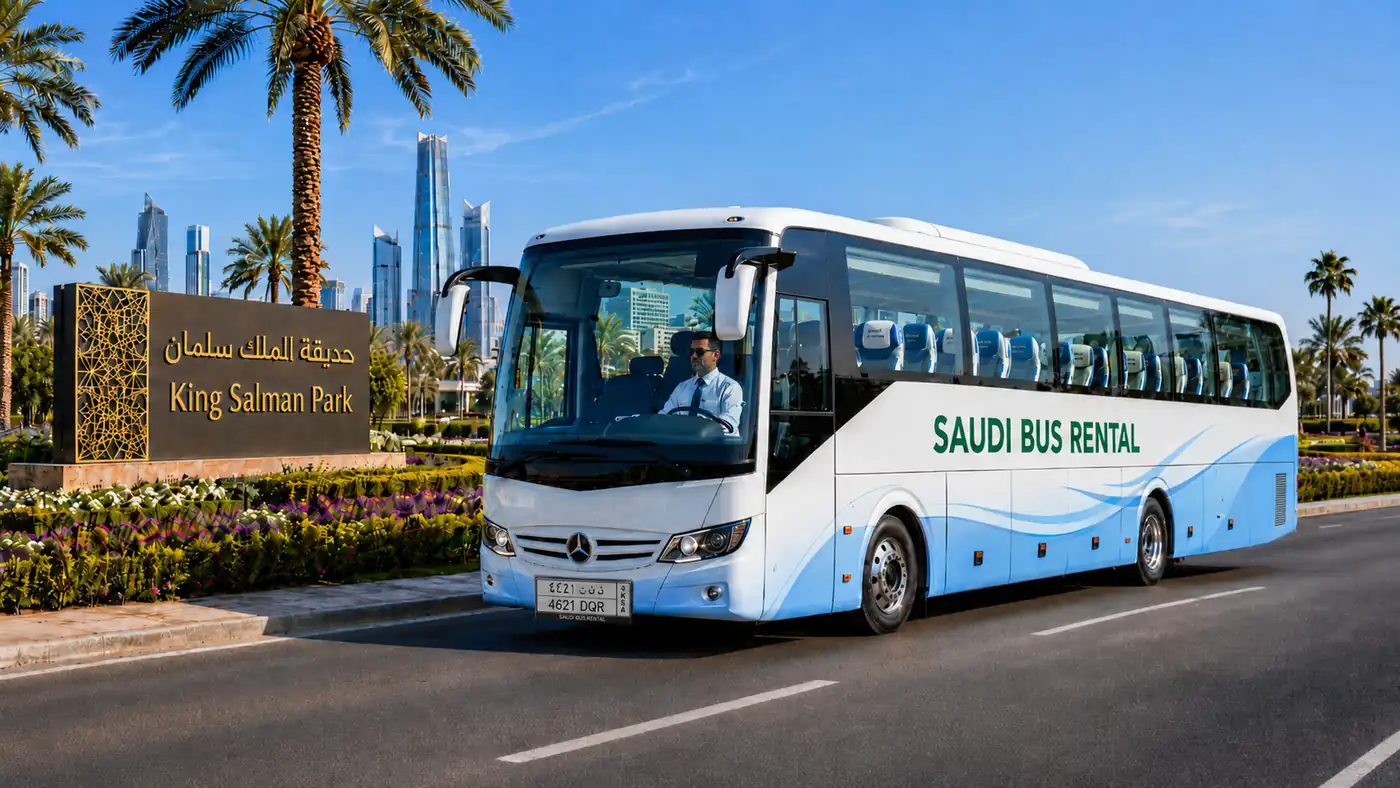
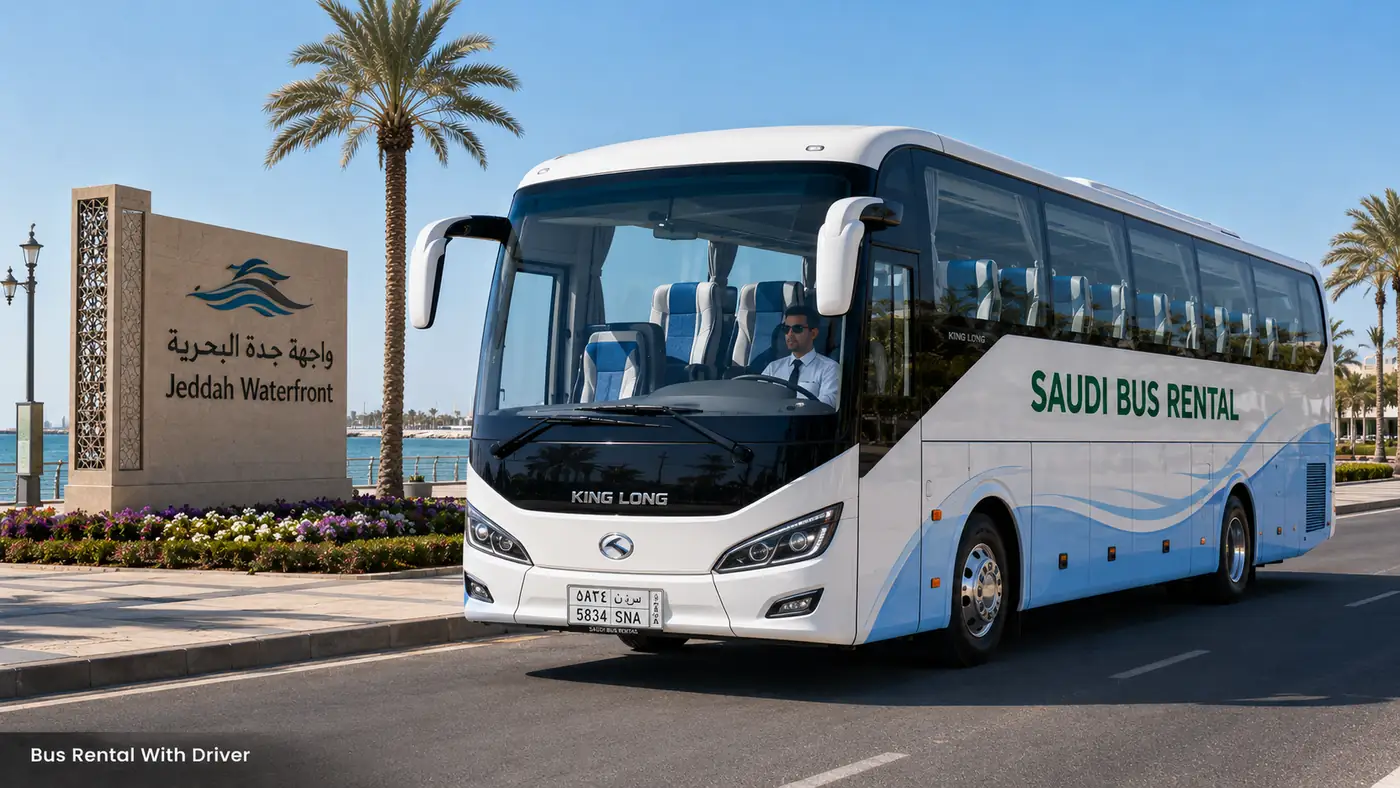
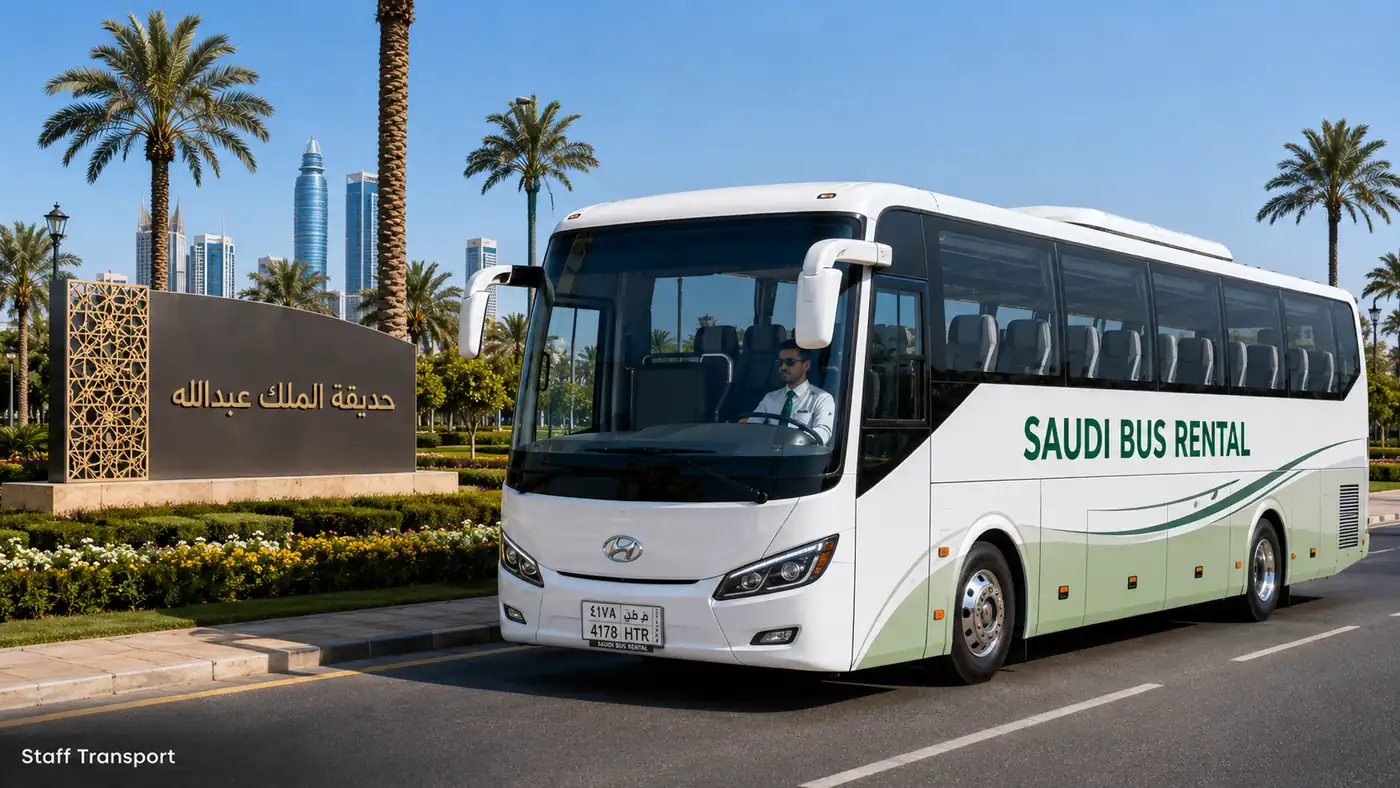
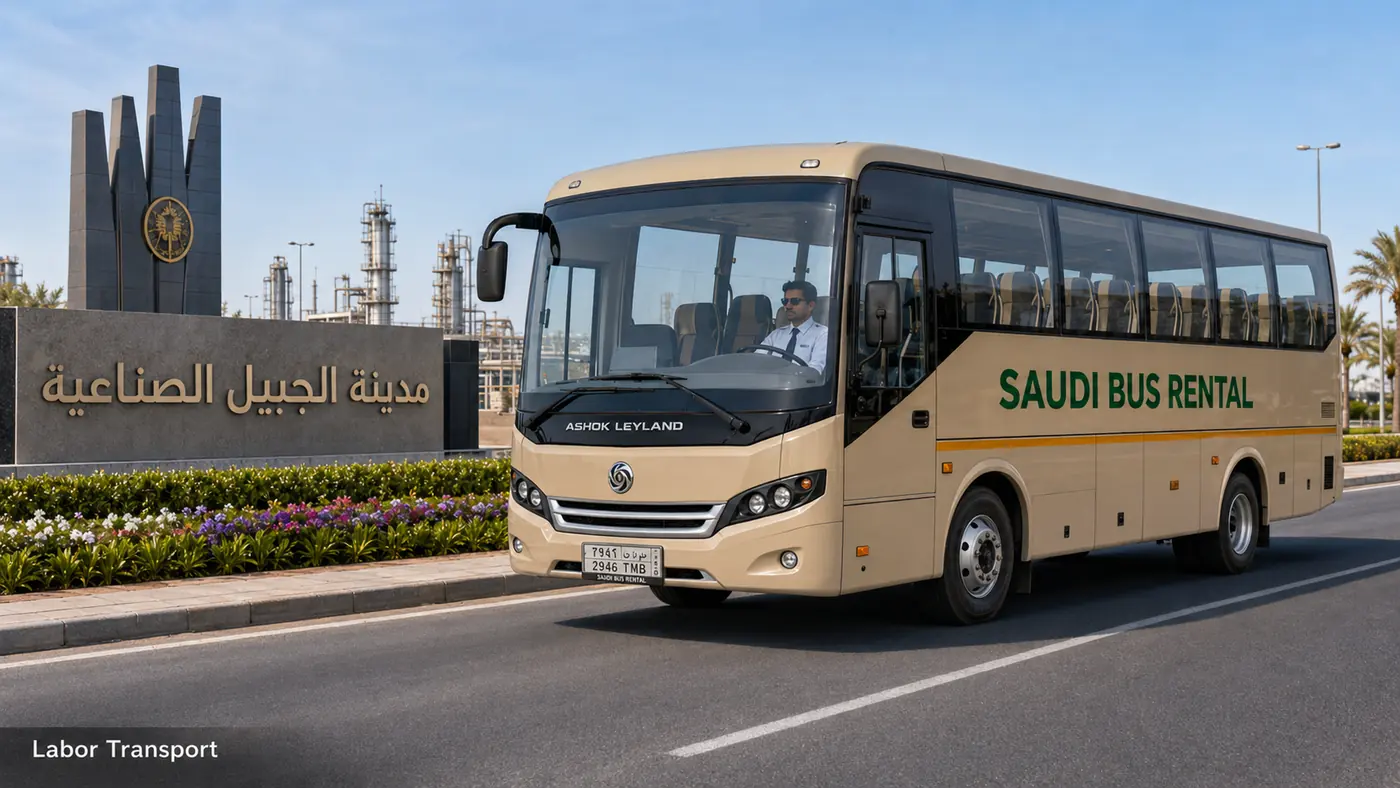
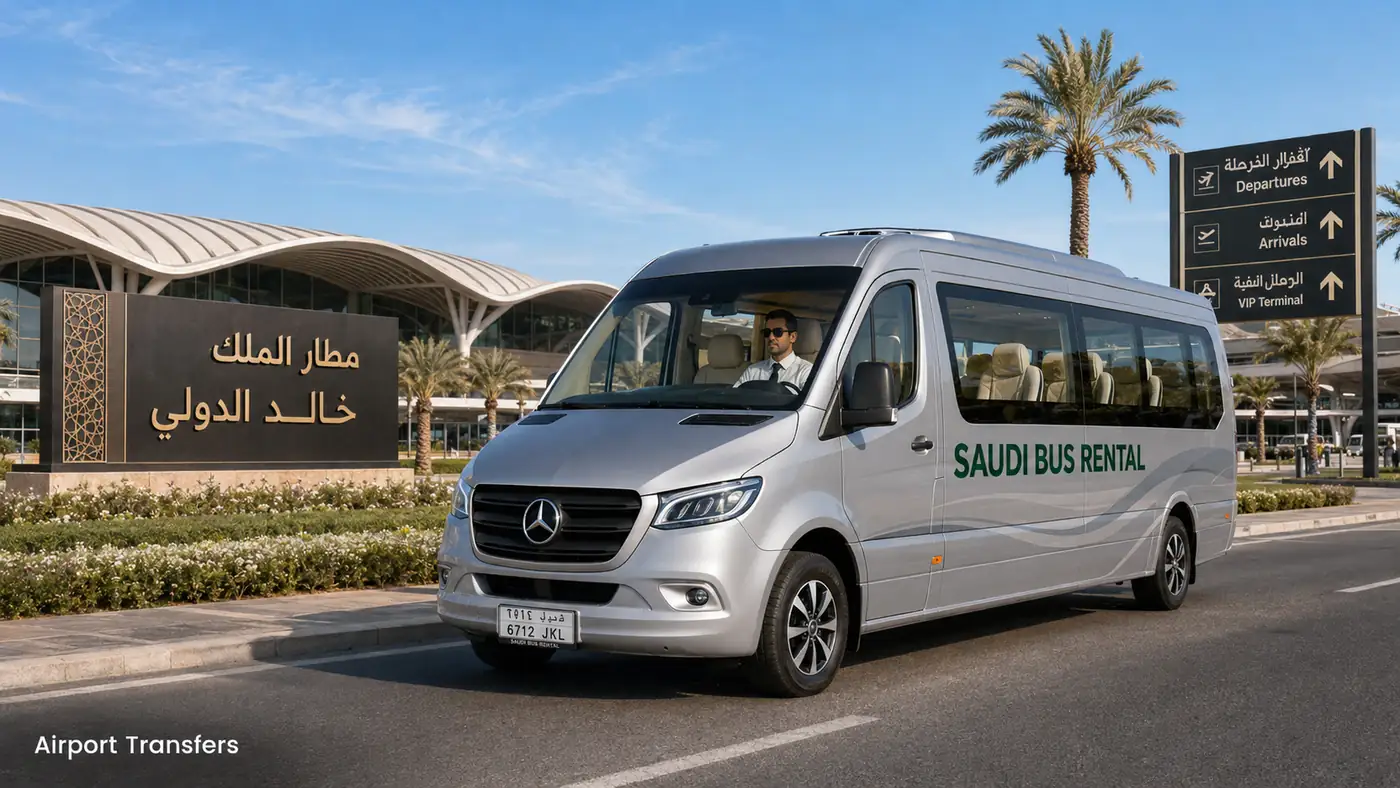
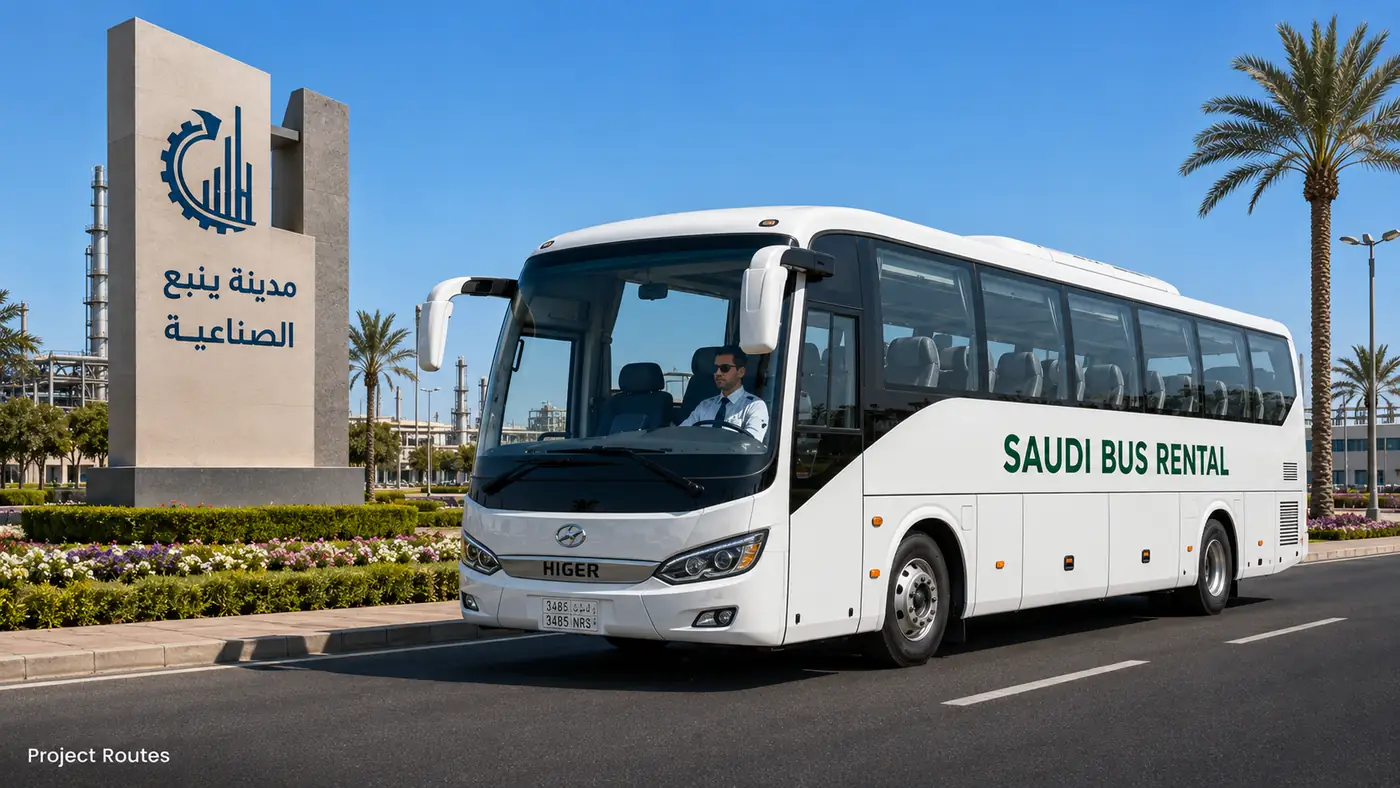
Tell us the route, time, passengers and service type so our team can recommend a suitable fleet category.
Plan passenger transport for Riyadh, Jeddah, Dammam, Khobar, Makkah, Madinah and other Saudi routes.
Start with the service that matches your movement. Whether you need a company route, airport transfer, event shuttle, labor movement or private group trip, each service page helps you prepare the right details before requesting a clear and practical route quote.
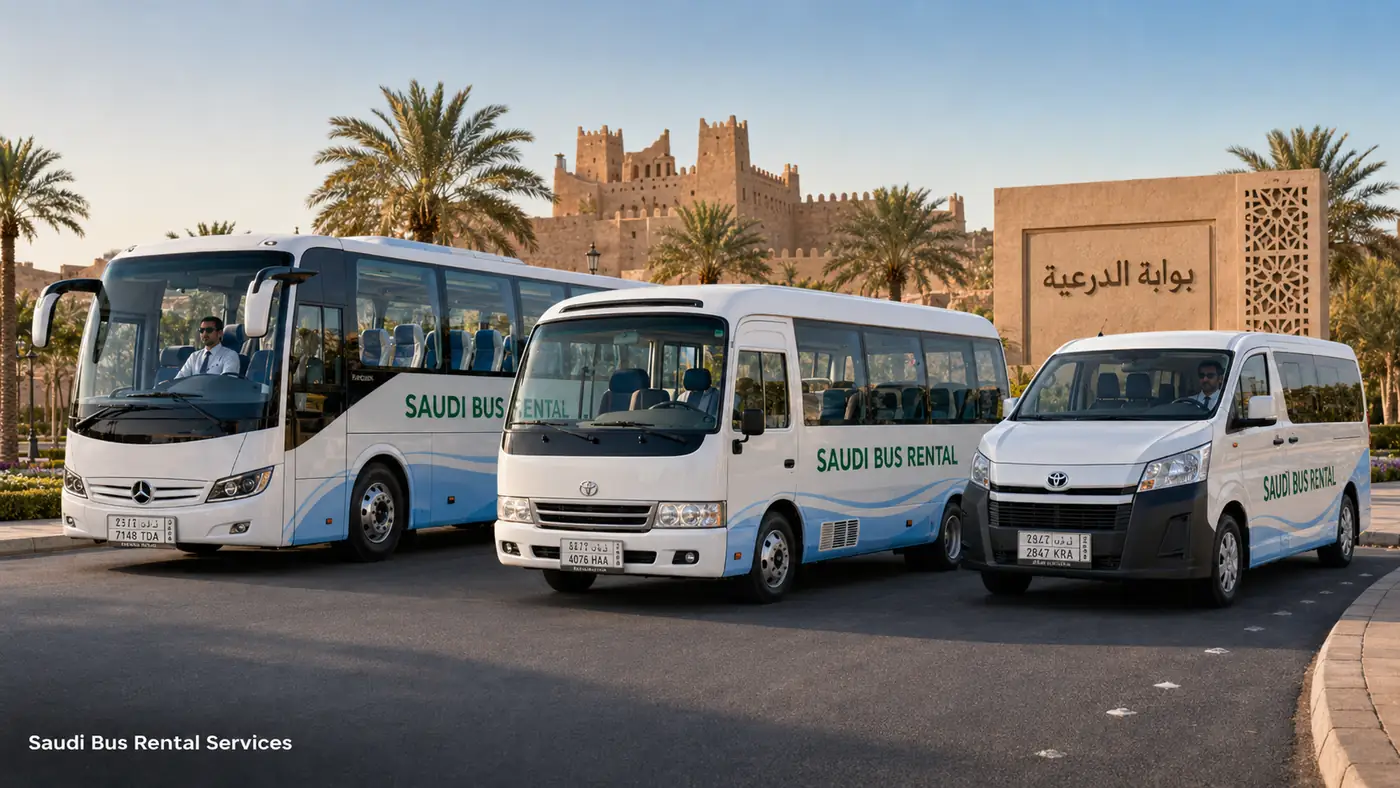
Buses, vans, minibuses and coaches for company groups, private groups, events, city trips and intercity routes.
Employee pickup and drop, shift routes, office shuttles, monthly contracts and recurring company transport.
Camp-to-site and accommodation-to-worksite movement for contractors, factories, warehouses and project teams.
Group airport pickups and drop-offs with passenger count, terminal, luggage and timing confirmed in advance.
Long-distance bus rental between Saudi cities, project areas, airports, hotels and business destinations.
Transport for conferences, exhibitions, sports events, weddings, corporate programs and group arrivals.
Airport arrivals, hotel shuttles, city movement, resort transfers and guest group transport.
School trips, educational visits, institution transport, group movement and staff routes.
Route-planned buses and coaches for offices, business visitors, delegations, meetings, conferences and company travel.
One coordinated vehicle for families, visitor groups, community trips, sports teams and private intercity movement.
Recurring passenger routes for companies, hotels, projects, facilities and long-term transport requirements.
Compare passenger vans, minibuses, staff buses, labor buses, luxury coaches and high-capacity vehicles.
A strong transport enquiry is not only a question about seat count. The correct choice depends on who is travelling, where the vehicle can safely stop, how long the driver will wait, whether luggage is involved, and whether the route is one-time, return, full-day, daily or monthly. This guide helps customers prepare the same details that a transport coordinator needs before recommending a van, minibus, staff bus, labor bus or coach.
For small groups, a passenger van may be enough when the route is short and luggage is limited. For office staff, hotel teams, school groups or medium-size visitors, a minibus can keep the trip efficient without using a large coach. For larger corporate groups, events, conferences, city-to-city travel and hotel guest movement, a full-size coach or luxury coach may give better comfort, luggage space and boarding control.
Companies usually need a different buying process from private groups. HR and admin teams often care about punctual pickup, passenger lists, shift timing and monthly invoice logic. Project teams focus on worker count, camp gate, site access and route frequency. Hotels and event planners focus on guest presentation, arrival waves, luggage handling and return control. A private family or visitor group usually needs a clear pickup, destination, date, time and comfort preference.
The fastest quote comes from a complete first message. Send the city, pickup point, destination, passenger count, date, time, luggage details, preferred vehicle category and whether the vehicle should wait or return later. For company routes, also include working days, shift start, shift finish, contract period and coordinator contact. For airports, include terminal, flight timing and number of bags.
Best for a private group, school visit, company outing, city transfer, event drop-off or short-distance trip. Send pickup, destination, timing, passenger count, luggage and return plan.
Useful when the vehicle must stay with the group. Pricing and vehicle allocation should consider waiting hours, driver duty time, parking access, meal breaks and return timing.
Best for staff, workers, hotel teams and recurring passenger movement. Share working days, shift timing, pickup clusters, passenger count, route frequency and contract duration.
Press a fleet category to compare common vehicle options before sending your quote request. The right choice depends on passenger count, luggage, route distance, comfort level and duty timing.
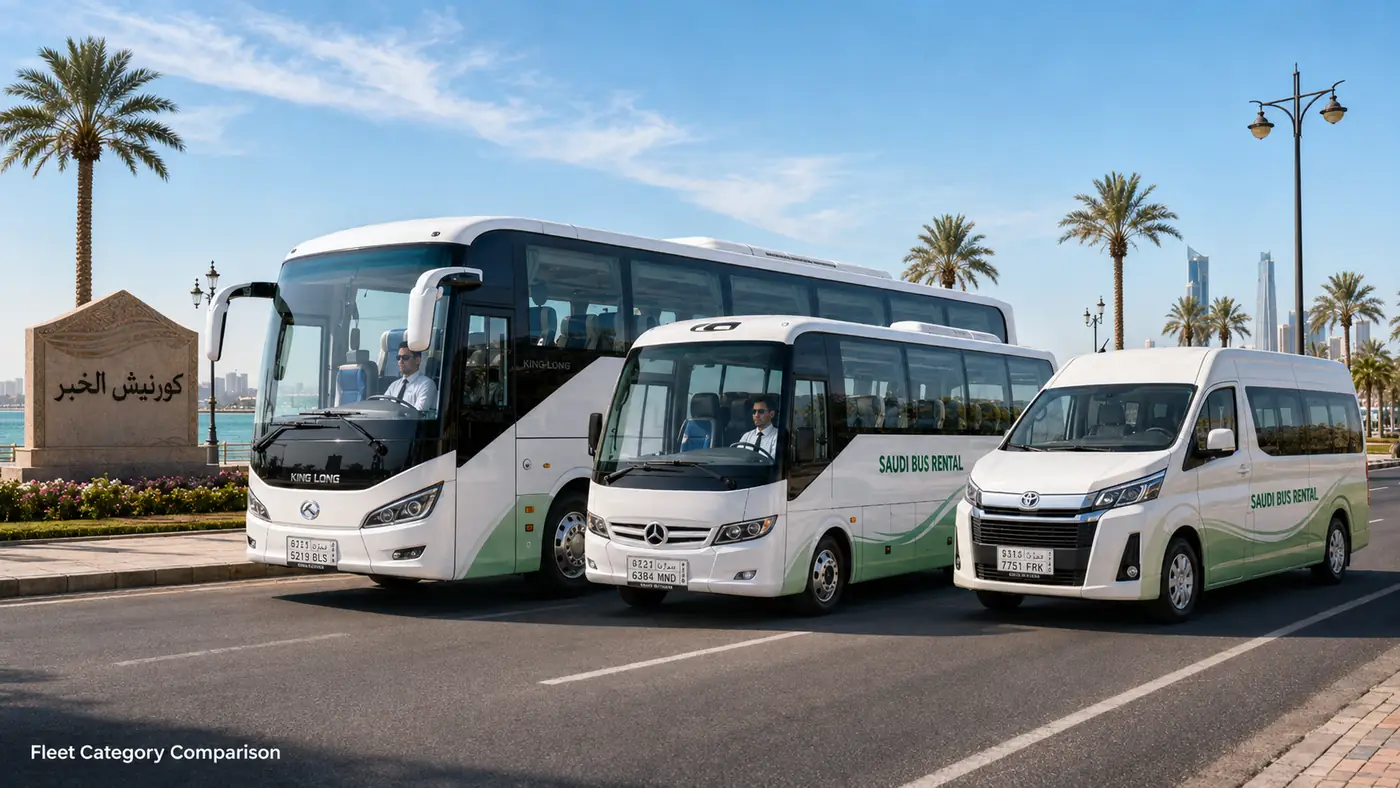
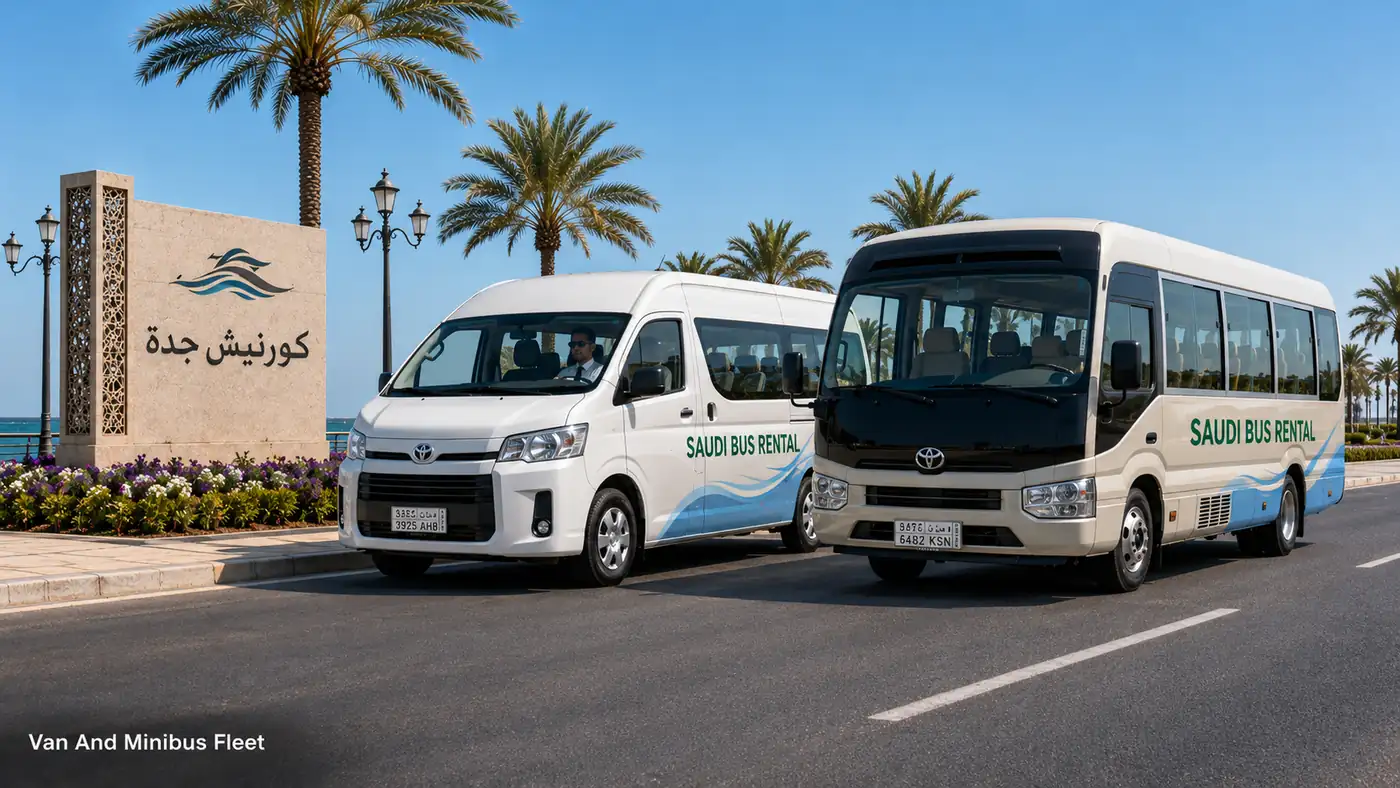
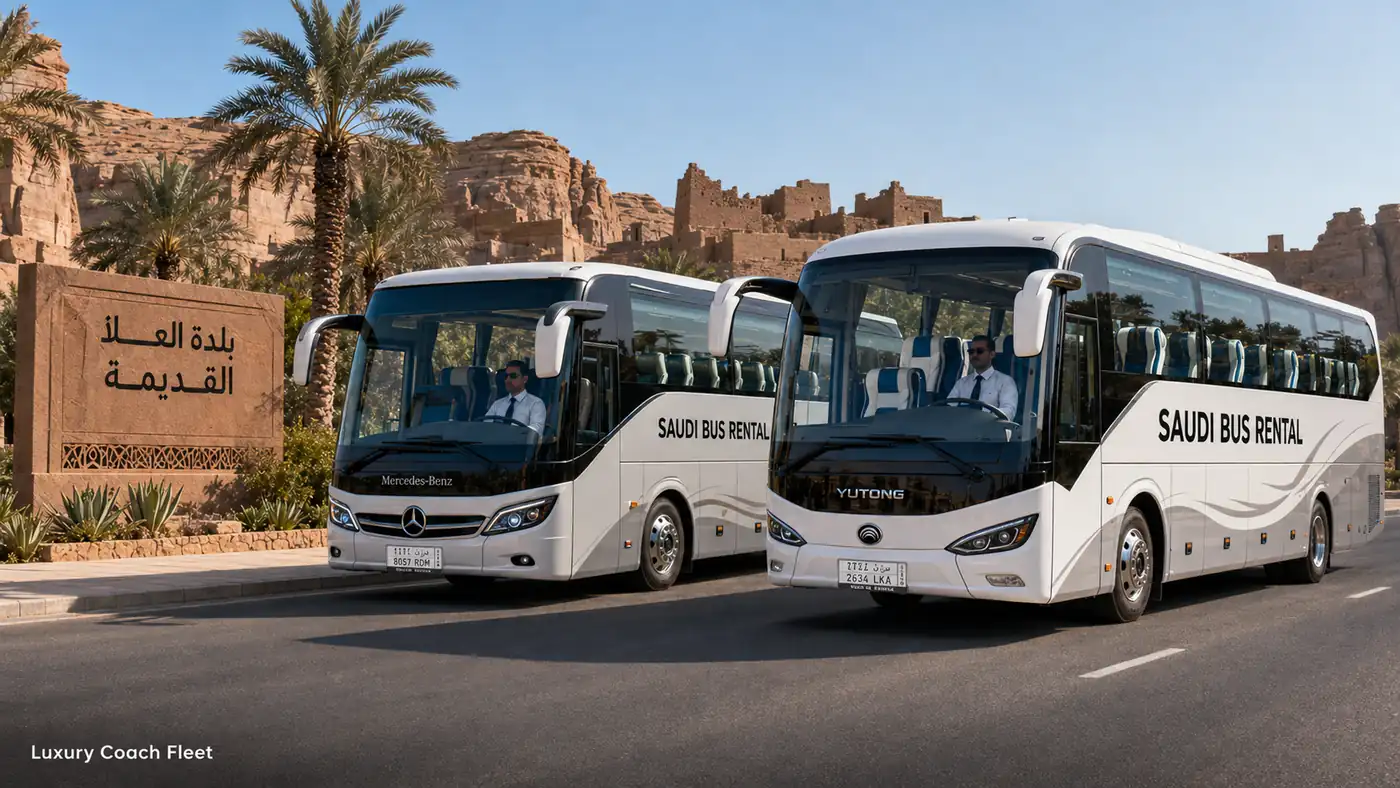
Airport groups, city transfers and small staff pickups.
View Toyota HiaceCompact comfort transport for guests and small business groups.
View Hyundai H1Practical passenger movement for city routes and short transfers.
View Nissan UrvanPremium van option for VIP guests, families and hotel transfers.
View Toyota GranviaMedium group bus rental for offices, schools, hotels and trips.
View Toyota CoasterComfortable minibus for city routes and company movement.
View Hyundai CountyFlexible movement for institutions, events, workers and tourism groups.
View Mitsubishi RosaPractical minibus for recurring routes and medium-size groups.
View Nissan CivilianShift transport, staff pickup routes and contractor movement.
View Ashok Leyland BusCompany staff transport for business and industrial areas.
View Higer BusComfortable staff routes for longer daily movement.
View King Long BusUseful for hotel teams, healthcare shifts and service crews.
View Hyundai BusLarge group transport for events, hotels, tourism and intercity routes.
View Yutong BusPremium coach rental for conferences and corporate visitors.
View King Long BusHigh-comfort coach for executive movement and long-distance trips.
View Mercedes-Benz CoachLong-route comfort for intercity travel and large groups.
View Scania CoachCamp-to-site movement, shift changes and worker dispatch.
View Ashok Leyland BusConstruction, industrial, warehouse and logistics staff movement.
View Tata BusHigh-capacity routes for accommodation and project gates.
View Daewoo BusLabor and staff movement where comfort and capacity matter.
View Higer BusA vehicle should be selected for the full movement, not only the maximum seat number. A group of 14 airport passengers with luggage may need a larger vehicle than a 14-seat count suggests. A staff route with many short stops needs easy boarding. A long intercity journey needs stronger comfort, air conditioning, luggage space and rest planning. Fleet selection becomes more accurate when the quote request explains how passengers will actually travel.
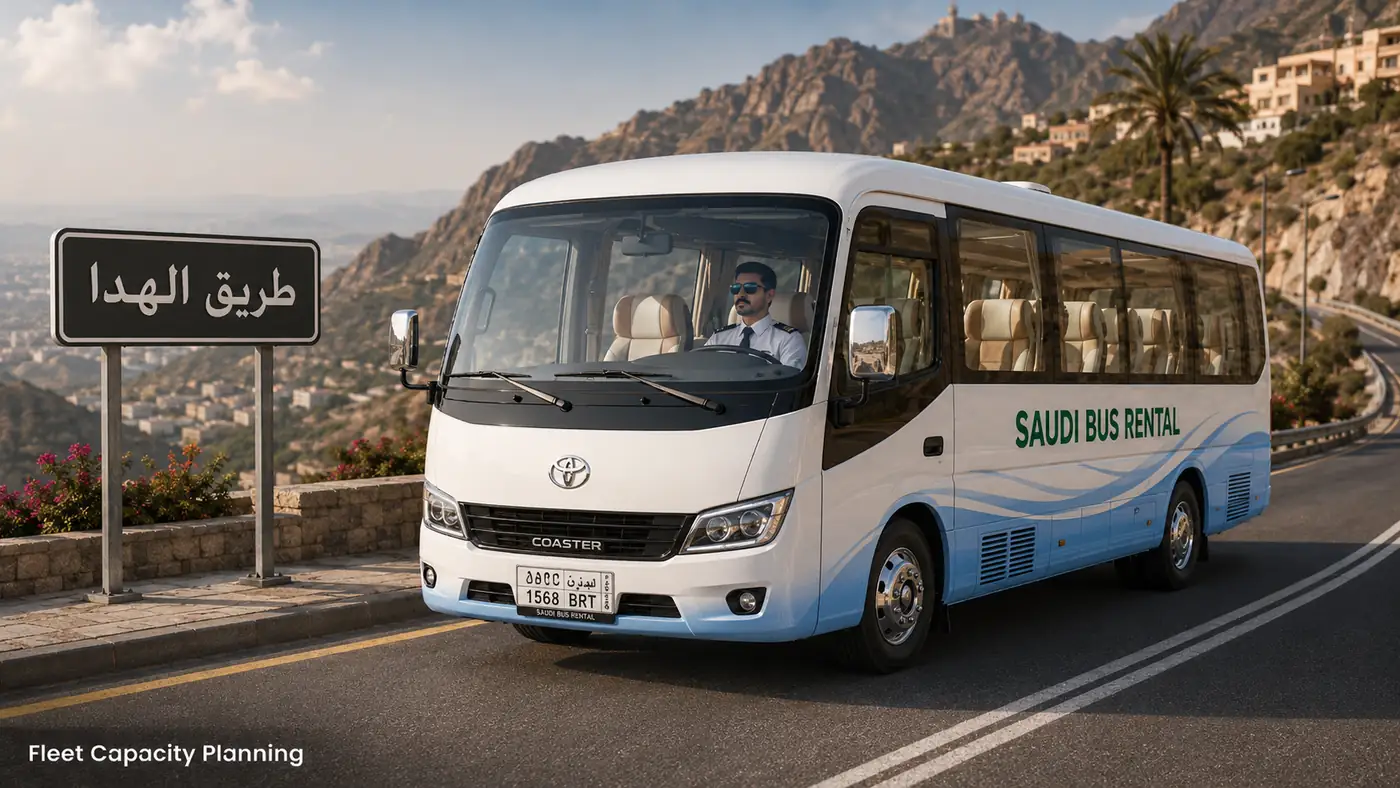
| Fleet Category | Best Use | Details to Confirm | Helpful Page |
|---|---|---|---|
| Passenger vans | Small groups, airport pickups, city movement, hotel guests and compact staff routes. | Passenger count, luggage, comfort level, pickup access and return timing. | Passenger van rental |
| Minibuses | School trips, medium office groups, training teams, family groups and short intercity travel. | Boarding location, route distance, luggage, passenger age group and waiting time. | Minibus rental |
| Staff buses | Monthly staff transport, office shifts, hospitality teams, healthcare staff and industrial workers. | Working days, shift timing, pickup clusters, passenger list and contract period. | Staff bus rental |
| Luxury coaches | Executive groups, conferences, tourism, hotel guests, long-distance travel and VIP transfers. | Comfort expectation, luggage volume, route distance, event timing and guest presentation. | Luxury coach rental |
| Labor buses | Camp-to-site worker movement, large workforce routes, contractor teams and shift changes. | Worker count, camp gate, project gate, dispatch time, return time and weekly schedule. | Labor bus rental |
When unsure, describe your movement honestly instead of forcing a vehicle type. The team can then suggest whether a van, minibus, coach or multiple vehicles will make the route smoother. For long travel, the route should also consider driver duty, rest time, passenger comfort, luggage and return direction.
Each Saudi city has different passenger movement patterns. Open the city page that matches your pickup point, destination, airport route, staff route or intercity plan.
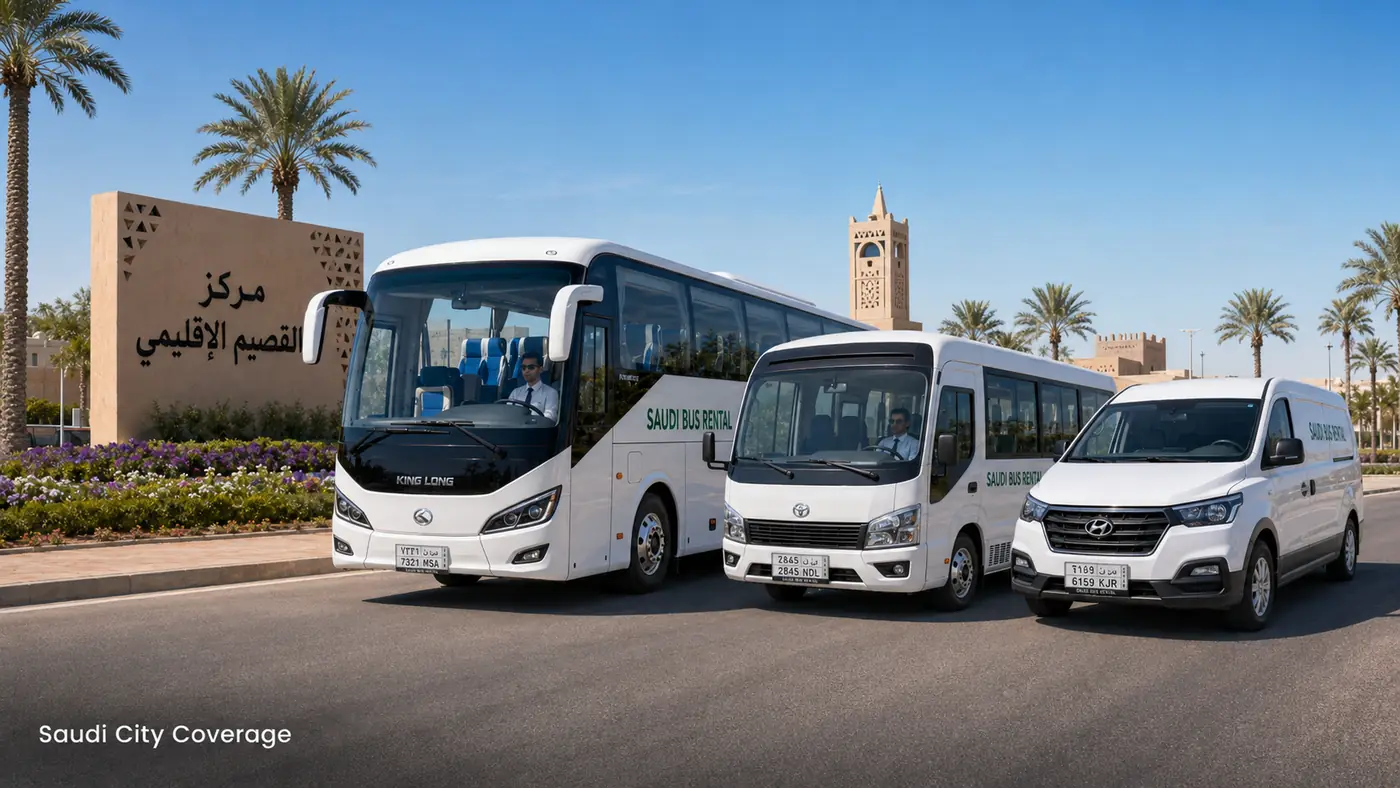
Riyadh transport often serves corporate offices, government areas, hotels, events, King Khalid International Airport, staff routes, business visitors and project teams. For the strongest quote, include pickup district, destination building or venue, parking access, reporting time and whether passengers return together or at separate times.
Jeddah movement may connect airport arrivals, hotels, coastal business districts, port-related routes, schools, tourism groups and onward trips toward Makkah or Madinah. Airport and hotel requests should include terminal, luggage, guest count, hotel address and return timing.
Eastern Province routes often involve industrial staff, contractors, training groups, corporate guests, airport transfers and movement toward Jubail, Dhahran and business districts. Company routes should explain shift timing, worker count, access gates and route frequency.
Visitor movement, hotel transfers, group arrivals and intercity movement need careful timing and respectful planning. Customers should share hotel names, passenger count, luggage and movement windows without assuming unsupported official route permissions.
Industrial staff routes, plant visitors, contractor teams, accommodation pickup and recurring project movement need strong gate details. Mention plant access, safety briefing time, shift windows, weekly schedule and coordinator contact.
Tourism groups, airport transfers, hotel movement, project teams and long-distance travel need comfort planning, luggage space and route timing. Early planning helps when travel windows, event dates or destination access are fixed.
A strong homepage for this market must help the customer recognize their exact situation. The same coach may be used for a business delegation, event shuttle, airport group, school trip or intercity route, but the information needed for each booking is different. The goal is to help the customer describe the movement clearly before the quotation stage.
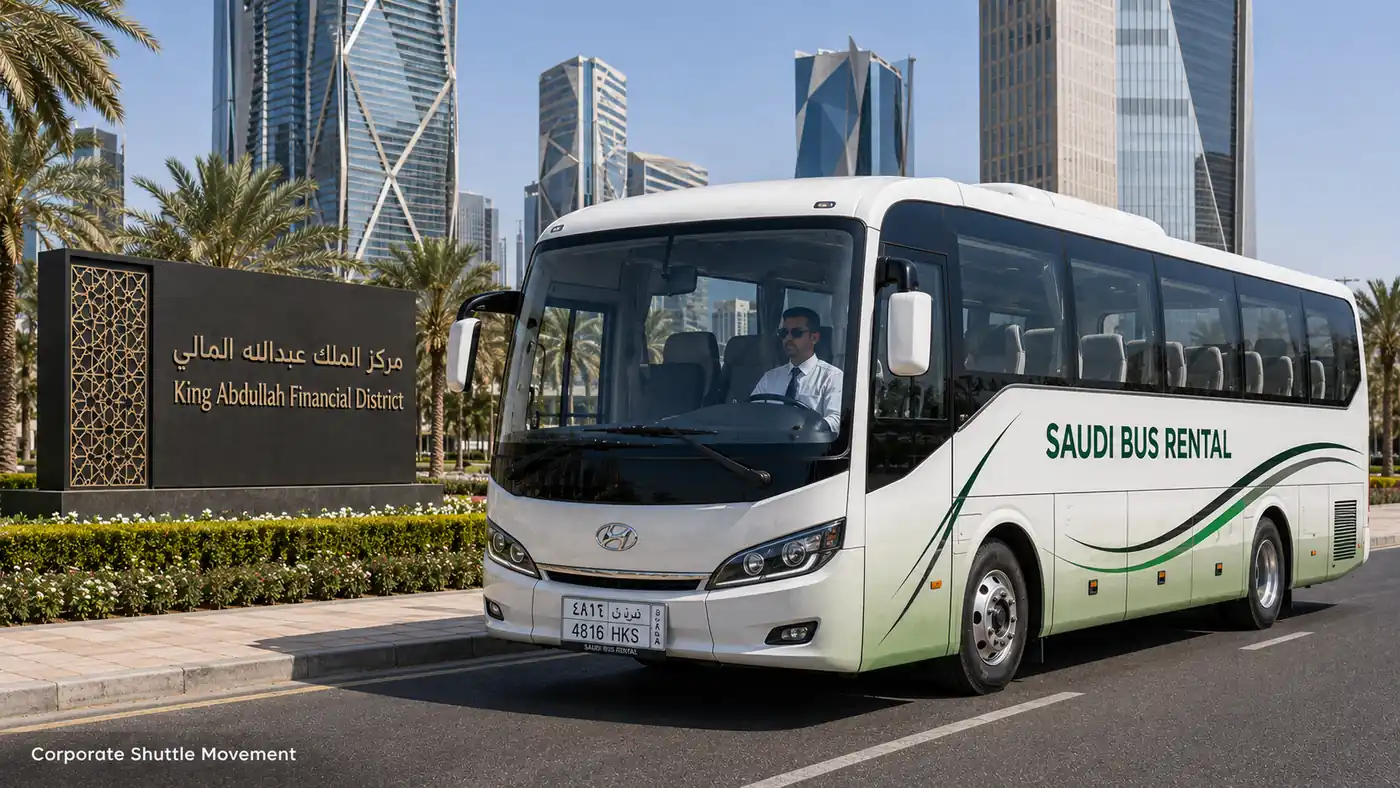
Corporate shuttles often run between residential areas, metro connections, offices, business parks, hotels and meeting venues. The customer should share reporting time, number of passengers, pickup clusters, working days and whether the shuttle has fixed stops or flexible pickup points. A shuttle request is stronger when it explains whether passengers are employees, visitors, consultants, trainees or event delegates.
Conference arrivals need careful timing because guests may land at different times, collect luggage slowly or need direct transfer to a hotel or venue. The enquiry should include flight numbers if available, terminal, number of guests, luggage volume, hotel name, coordinator contact and whether several vehicles are needed for different arrival waves.
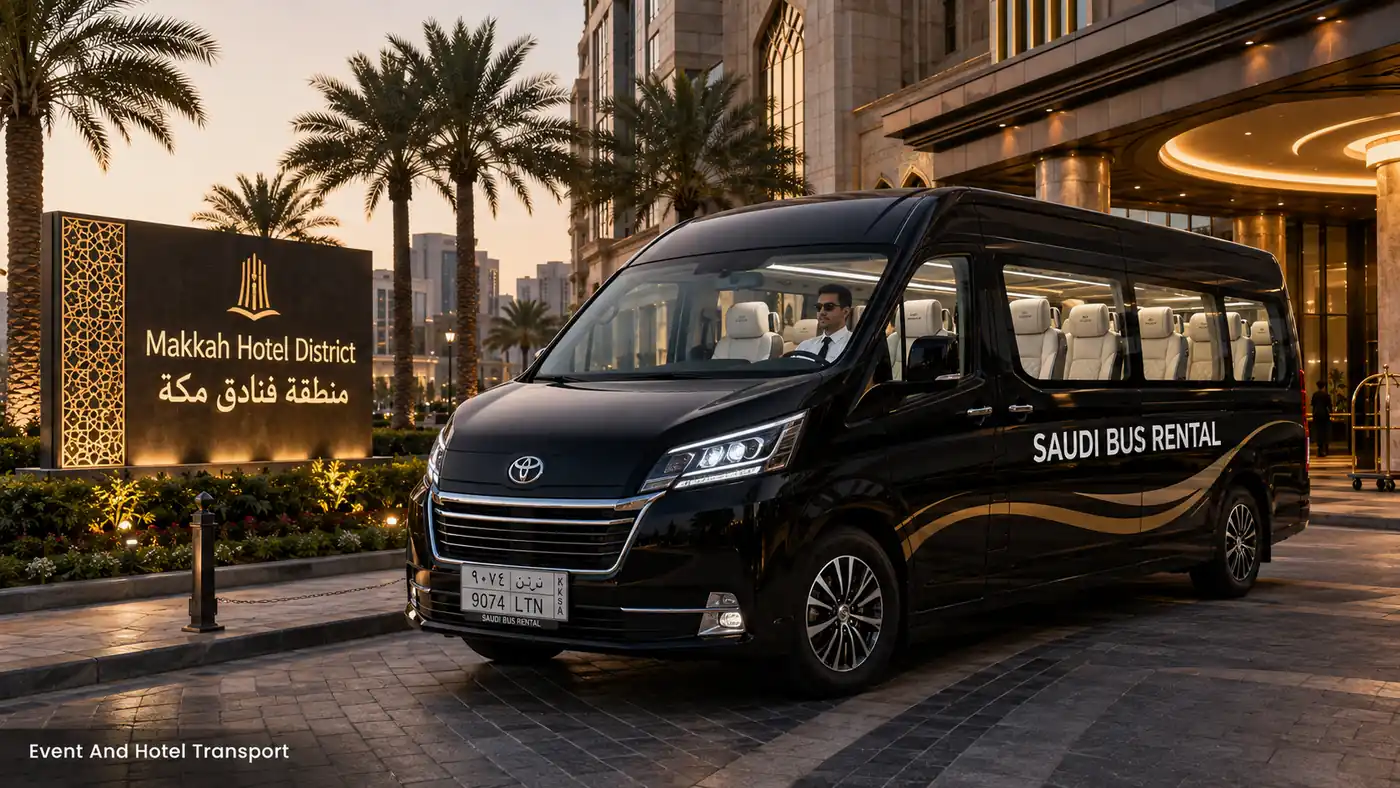
Hotel transport depends on presentation, luggage and guest experience. A hotel enquiry should mention guest count, arrival time, number of bags, hotel entrance, return transfer, city movement, tour movement or event transfer. It is also useful to explain whether the guests need standard vehicles, premium vans or larger coaches.
Events often fail when return planning is ignored. A good event request includes venue access, arrival waves, passenger grouping, event end time, vehicle waiting area and emergency coordinator contact. If guests come from different hotels or districts, several smaller vehicles may work better than one large bus.
Labor movement needs clarity around accommodation, camp gate, worksite gate, shift start, shift end, worker count and weekly schedule. If the project uses rotating teams, changing headcount or several gates, the quote should explain that from the start so the service scope is realistic.
Intercity movement needs more than a pickup and drop-off point. The customer should share the complete route, desired comfort level, luggage, passenger profile, rest expectations, return direction and whether the trip is business, family, tourism, staff, event or project related.
Many transport problems start before the vehicle is booked. The wrong vehicle may be chosen because the passenger count looked simple, the luggage was not mentioned, the route access was not checked, or the customer did not explain that the vehicle had to wait. Avoiding these mistakes makes the service smoother and usually saves time during quote discussion.
The first mistake is choosing only by seat count. A group of 30 passengers with luggage, gifts, tools or event materials may not feel comfortable in a vehicle that simply matches the passenger number. Airport groups, hotel guests and intercity passengers often need extra space. In these cases, choosing the next suitable category can be more practical than filling every seat.
The second mistake is ignoring access. Some hotels, camps, schools, industrial gates, event venues and narrow pickup points may not be suitable for a large coach. If the bus cannot reach the entrance, passengers may need to walk or the route may lose time. Share whether there is a bus bay, parking area, gate number or security checkpoint.
The third mistake is not explaining waiting time. A one-way drop-off is different from a vehicle that must remain with the group for several hours. Waiting affects driver duty, scheduling and availability. If the group needs standby service, mention the full time window, expected stops and last drop-off point.
The fourth mistake is treating staff transport and labor transport the same way. Staff routes often depend on pickup clusters and reporting time. Labor routes often depend on camp gates, worksite access, shift dispatch and high-capacity movement. Both can be monthly, but the route logic is different.
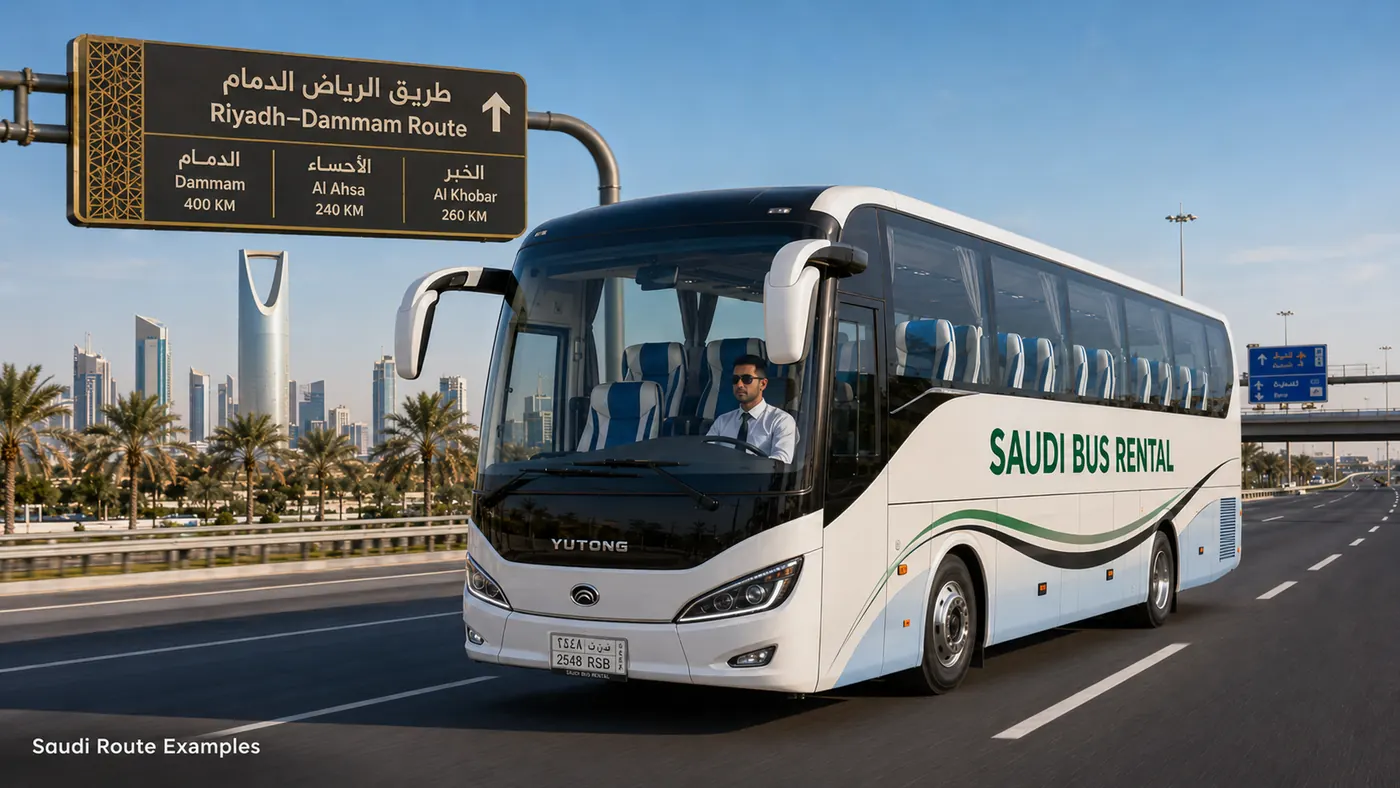
The examples below show why every quote should be based on the route rather than a fixed vehicle label. Customers can use these examples to prepare better messages for company, hotel, project, airport, event and private group movement.
| Example Route | Best-Fit Planning Notes | Useful Internal Page |
|---|---|---|
| Riyadh office staff route | Confirm pickup clusters, office address, reporting time, working days, passenger count and whether the same route repeats every month. | Staff Transport Riyadh |
| Jeddah airport to hotel group | Confirm terminal, flight time, guest count, baggage, hotel entrance, return transfer and whether the group needs a van, minibus or coach. | Airport Transfer Jeddah |
| Dammam accommodation to industrial site | Confirm camp gate, site gate, shift start, shift end, worker count, Friday duty, route frequency and project duration. | Labor Transport Dammam |
| Khobar hotel to corporate event | Confirm event venue, guest count, arrival time, return time, vehicle waiting area and whether several hotels are involved. | Bus Rental Khobar |
| Makkah or Madinah visitor movement | Confirm hotel location, guest count, luggage, travel window and destination. Avoid assuming special route permissions unless confirmed by the customer. | Bus Rental Makkah |
| Private group city-to-city trip | Confirm pickup address, destination, stop requests, passenger count, comfort level, luggage and whether the group returns the same day. | Private Bus Rental |
The booking format changes the quote and the operation. A one-way city drop is different from a full-day event duty. A monthly staff route is different from an airport arrival. A project route with several shift changes is different from a private family trip. Explain the format clearly so the service can be planned around driver time, vehicle availability, waiting hours, return movement and passenger coordination.
Use this when the vehicle only takes passengers from pickup to destination. The quote should still include passenger count, luggage, exact pickup point, destination access and desired pickup time.
Best when passengers need drop-off and later pickup. Mention the return time, waiting expectation and whether the same vehicle should remain available or come back later.
Useful for city tours, events, business visits, school trips and guest movement with several stops. Share the full program, waiting periods and last drop-off time.
Best for recurring office, hotel, factory, school, facility or labor routes. Monthly planning should include working days, shift timing, route frequency and contract duration.
Useful for short projects, temporary staff movement, event setup teams and training programs where the same route runs for a limited period.
Corporate and project customers can prepare route scope, duty timing, vehicle category and contract period for approval, procurement or LPO processing.
For recurring routes, send working days, shift timing, passenger count, pickup clusters, workplace location and contract period. Clear details help avoid delays and make approval easier for HR, admin and procurement teams.
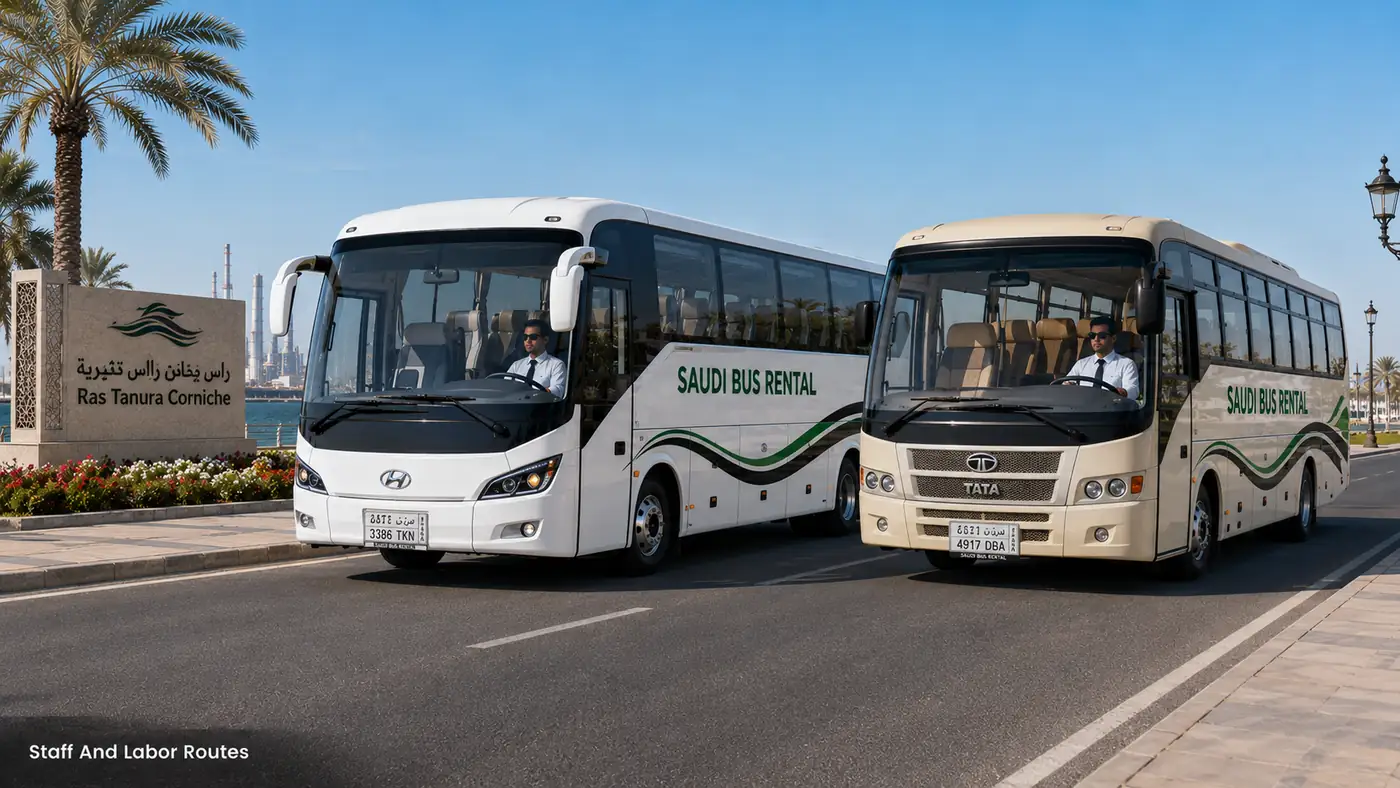
Employee pickup and drop for offices, business districts, call centers, hotels and facilities. A good request includes staff count, pickup clusters, duty days, reporting time and whether the route has one workplace or several stops.
Long-term staff routes need stable timing, route discipline and coordinator communication. Share the monthly start date, contract period, shift schedule, headcount and approval requirements.
Daily worker movement between accommodation, labor camps, factories, warehouses and sites should include camp gate, site gate, dispatch time, return time and number of workers per shift.
Project transport may change as headcount grows, shifts change or worksites move. Mention route frequency, weekly schedule, site access, waiting time and coordinator contact.
Staff transport works best when the company provides a clear route list before the first service day. A route may have one pickup point or several clusters. The coordinator should know when passengers must be ready, where the vehicle can stop safely, whether staff carry bags or tools, and how late arrivals will be handled. This helps reduce waiting time and makes the service easier to manage for both drivers and passengers.
Labor transport has a different planning style. Construction, warehouse, industrial and project routes often use fixed gates, accommodation pickup points, shift dispatch windows and high-capacity vehicles. The transport request should mention worker count per shift, whether there are morning and evening returns, whether Friday or public holiday duty is required, and whether the route changes during the project.
Airport and intercity transport needs accurate timing. Include the terminal, flight time, luggage, route distance, waiting time and return plan when sending your enquiry.
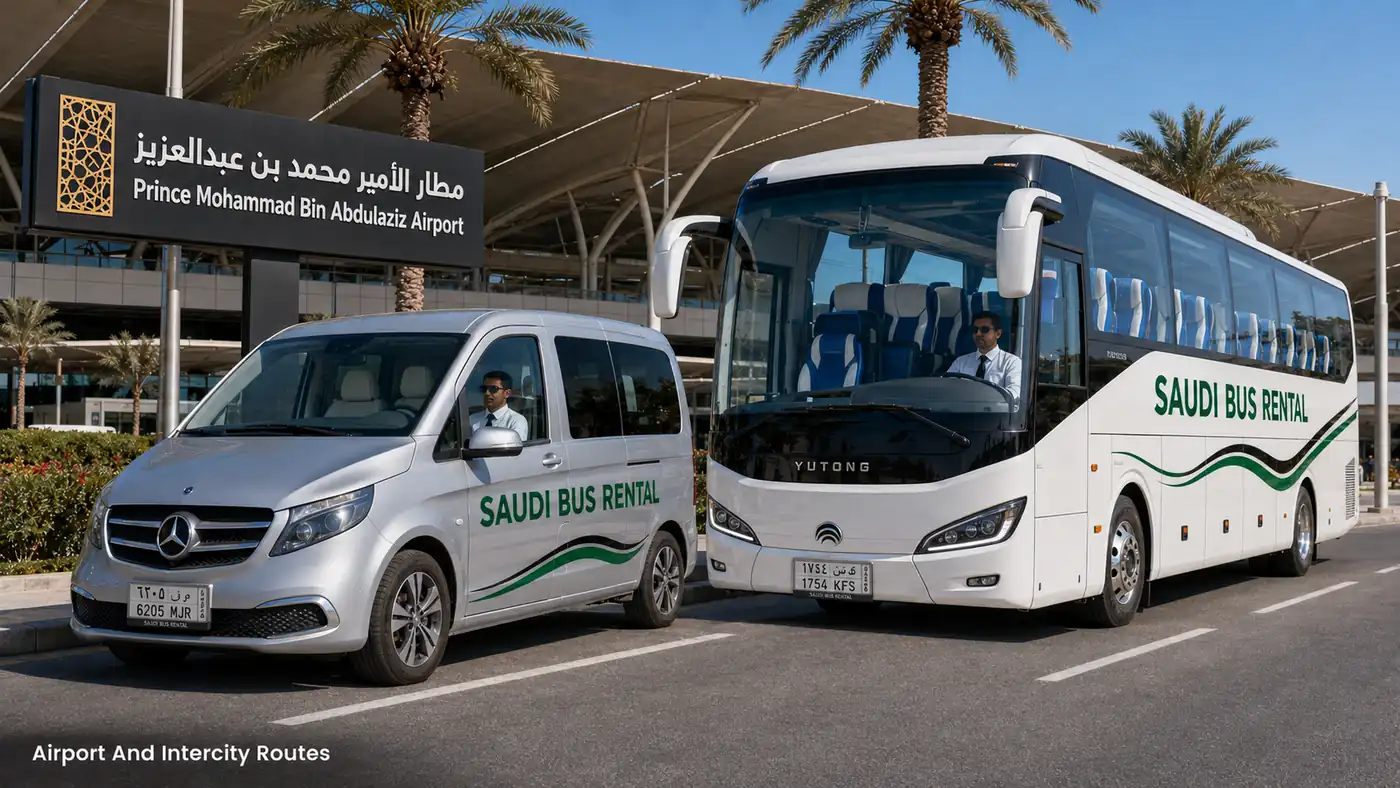
Arrival and departure transfers for business groups, hotels, families, event guests and project teams. Add airport name, terminal, flight time, passenger count and luggage quantity.
Hotel guest transport with airport, luggage, check-in timing and return movement confirmed. This is useful for delegations, tours, events and corporate visitor groups.
Passenger movement between Riyadh, Jeddah, Dammam, Makkah, Madinah and other Saudi cities. Long routes need comfort, luggage and driver duty planning.
Long-distance passenger movement between central and eastern business routes. Mention return plan, rest timing, luggage and whether passengers are company staff or guests.
Airport, hotel and group transport along the Jeddah to Makkah corridor. Passenger count, luggage, hotel location and travel window are important.
Intercity group movement for visitors, hotels, events and planned passenger routes. Comfort level and route timing should be confirmed early.
Different customers ask for transport in different ways. A corporate buyer may need a written quote and approval route. A hotel may need guest presentation and luggage handling. A school may need supervision and timing. An event planner may need several vehicles arriving in waves. A private group may simply want one coordinated vehicle with driver.
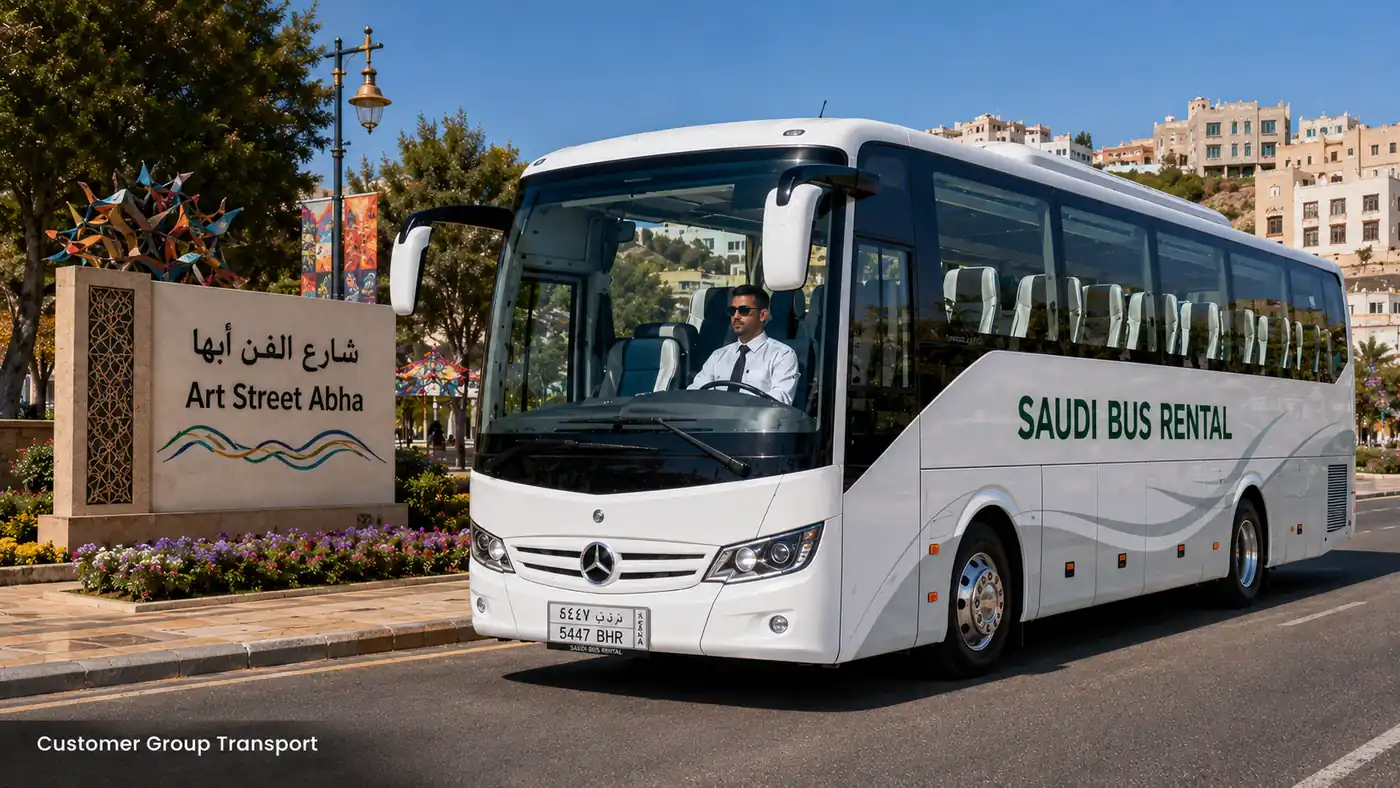
For offices, business visitors, delegations, meetings, conferences and route-based staff movement. Include approval details, invoice needs and preferred vehicle category.
For airport pickups, guest movement, resort shuttles, event guests and city movement. Include terminal, luggage, guest names if needed and hotel access point.
For school trips, educational visits, university groups, exam movement and sports teams. Mention student count, supervisors, pickup time and return time.
For conferences, exhibitions, meetings and company functions. Share arrival waves, venue access, return timing and group pickup points.
For visitors who need a higher presentation level, premium seating, cleaner appearance and better arrival experience.
For universities, colleges, institutes and school programs where timing, supervision and boarding discipline are important.
For teams, supporters, organizers and staff moving to sports venues, training locations or event zones.
For families, visitor groups, community movement and private intercity travel with a single organized vehicle.
Timing can change a simple transport request into a detailed operation. A bus that works for a quiet afternoon transfer may not be ideal for an early morning staff route, a Ramadan shift, a school pickup, a late-night airport arrival or a post-event return when many passengers leave at the same time. Customers should explain the time pressure clearly so the route can be reviewed properly.
For office and staff movement, peak-hour traffic can affect reporting time, pickup sequence and route design. If employees must report by a strict time, the request should mention the required arrival window, not only the pickup time. A route with several pickup clusters may need earlier dispatch than expected. If there are late staff, overtime teams or split shifts, those details should be included before the quote is finalized.
For Ramadan and seasonal timing, companies should mention adjusted working hours, night shifts, early returns, split duty or altered pickup windows. A monthly route may look simple during normal weeks but need a different arrangement during Ramadan, holidays, examination periods, event seasons or project peak periods. It is better to discuss these windows early than to treat them as last-minute changes.
Airport transport needs a different timing mindset. Arrival transfers should allow for baggage collection, terminal movement, group assembly and possible flight delay. Departure transfers should allow for check-in time, luggage unloading and passenger boarding. Hotel groups and conference delegates may need multiple vehicles if flights are spread across different windows.
Event transport should always plan the return before the first pickup. The return movement can be harder than the arrival because many guests leave together, parking areas become crowded and phone coordination becomes more difficult. A strong event request includes venue access, staging area, end time, guest grouping, return destinations and one responsible coordinator.
A reliable quote depends on vehicle type, city, route distance, passengers, luggage, trip date, duty hours, waiting time, number of stops and contract period. Review the pricing topics below, then send your exact route for a tailored quote.
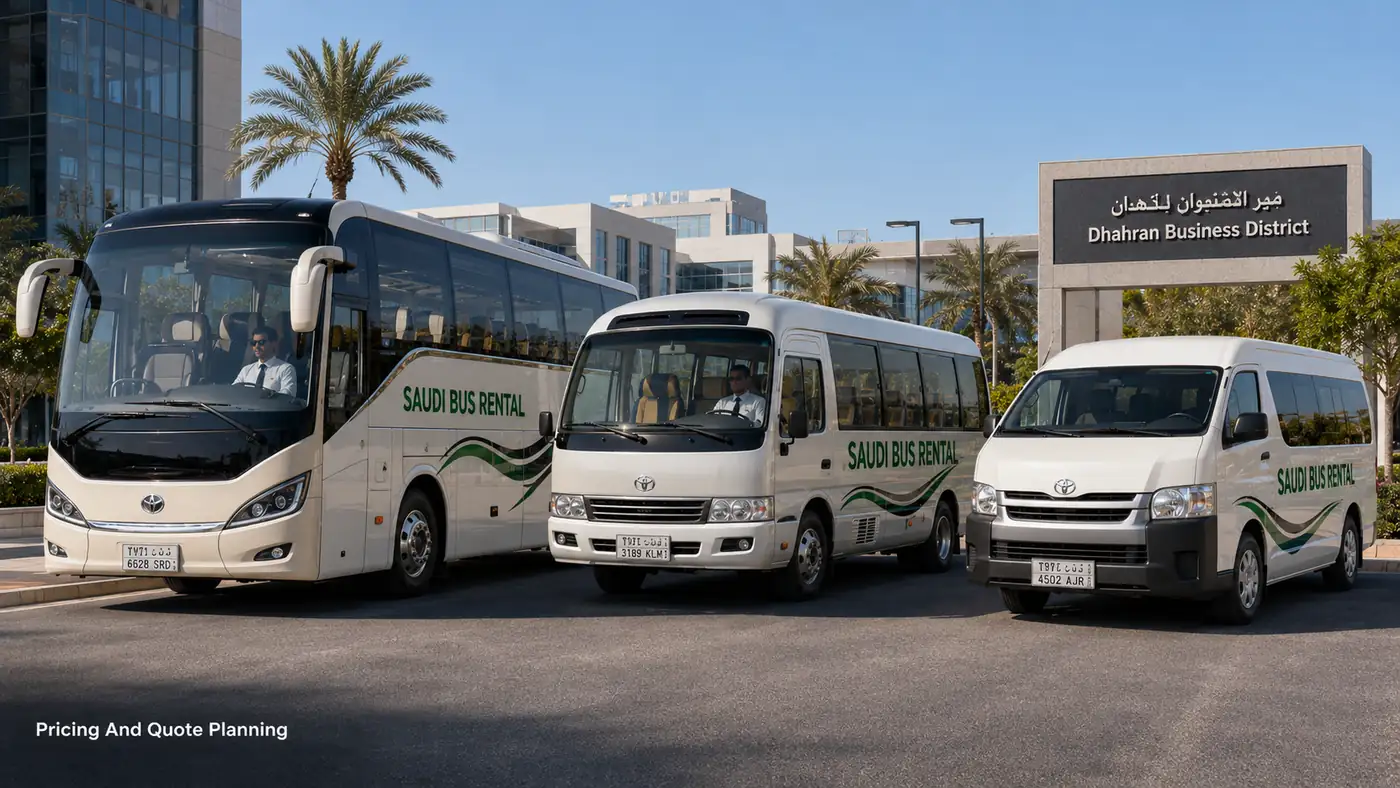
General bus rental rate factors for city, airport, event and group transport.
Recurring route pricing for staff, labor, hotel and company transport contracts.
Pricing factors for shift routes, pickup clusters, working days and employee headcount.
Quote factors for camp-to-site routes, shift changes, worker counts and project duration.
Airport pricing factors based on terminal, luggage, waiting time, group size and route.
Long-distance pricing factors based on highway distance, driver duty, return plan and comfort level.
| Price Factor | Why It Matters | What to Send |
|---|---|---|
| Route distance | Long routes affect travel time, fuel, driver duty and return availability. | Pickup point, destination, city-to-city direction and return plan. |
| Duty hours | Waiting, standby, full-day and late-night duty can change the operating cost. | Start time, end time, waiting hours, event finish time or shift return. |
| Vehicle category | Vans, minibuses, staff buses and luxury coaches have different operating cost and comfort levels. | Passenger count, luggage, preferred comfort level and vehicle preference. |
| Contract period | Daily, weekly and monthly routes are reviewed differently from one-time trips. | Working days, duration, route frequency and expected start date. |
Many company transport requests need approval before the route starts. Procurement, HR, administration, finance and project teams may need the same information in different formats: route scope, vehicle category, duty timing, passenger count, service period and contact person. Preparing these details early makes the quote more useful for internal review.
For monthly staff transport, the buyer should prepare pickup clusters, working days, shift start time, shift finish time, headcount and workplace location. If the route changes by department or shift, mention the different groups separately. If the service needs backup planning, overtime or holiday movement, include it in the first request so the quote scope is not too narrow.
For project and labor transport, procurement teams should provide camp location, site gate, worker count, duty schedule, route frequency and project duration. If there are changing headcounts, different crews or several sites, mention the expected pattern. This reduces confusion when the service moves from quotation to dispatch.
For events and hotel contracts, the buyer should confirm arrival waves, guest count, return windows, venue access, airport timing and coordinator contacts. A written scope is better than a single price message because it protects both the customer and the transport team from misunderstanding the movement.
Good passenger transport depends on what happens after the customer accepts the quote. The route should move from enquiry to confirmation, then to dispatch and service-day communication. The customer coordinator should know the pickup point, passenger readiness time, driver contact method, return plan and how changes will be communicated.
Confirm route, vehicle category, passenger count, date, time, waiting hours, return plan and contact person.
Send pickup pin, destination gate, venue access, terminal, hotel entrance or worksite gate before dispatch.
Make sure passengers know boarding time, luggage limits, return timing and coordinator contact.
The coordinator should stay reachable for driver questions, route updates, delays or additional instructions.
Extra stops, later return, added passengers or route changes should be shared as early as possible.
A professional transport request should think about passengers before the vehicle arrives. Saudi routes may involve heat, airport luggage, long highways, early staff reporting, night-shift worker movement, hotel guest presentation or event return crowds. Comfort and practical safety are not just vehicle features; they are part of the route plan.
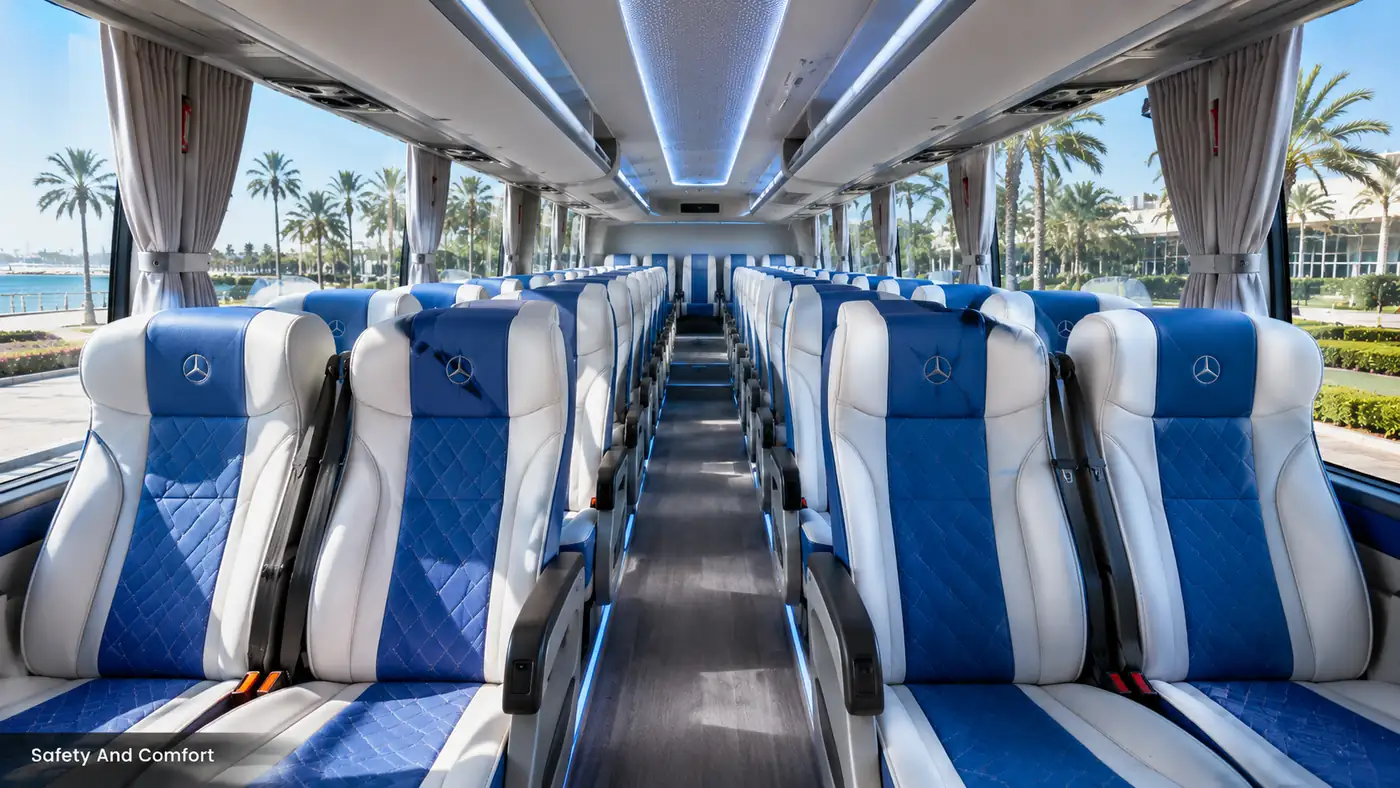
Ask for a vehicle category suitable for the travel time, passenger profile and comfort level. Guest groups and long routes may need a higher presentation level.
Confirm whether the vehicle can stop at the pickup point, hotel entrance, school gate, terminal, worksite or event venue without delaying other passengers.
Airport guests, hotel groups, staff and workers may carry bags, uniforms, tools or personal items. Extra luggage can change the best vehicle size.
Use a simple checklist for passenger count, pickup location, contact person, boarding time, route confirmation, luggage and return movement.
A complete first message saves time. Instead of asking only for a price, send the movement details that affect the route, vehicle and duty time. This helps the team give a clearer answer and reduces repeated questions.
| Detail | Example | Why It Helps |
|---|---|---|
| City and pickup | Riyadh hotel, Jeddah airport, Dammam accommodation, Jubail camp gate | Shows where the vehicle must report and whether access is easy. |
| Destination | Office, venue, school, airport, project site, hotel or another city | Allows route distance, travel time and drop-off access review. |
| Passenger count | 12, 25, 45 or 55 passengers | Helps match van, minibus, staff bus, labor bus or coach. |
| Timing | Date, pickup time, waiting period and return time | Controls driver duty, vehicle availability and quote accuracy. |
| Luggage and comfort | Airport bags, tools, VIP guests, school children or staff uniforms | Prevents choosing a vehicle that is too small or unsuitable. |
The best customers are not the ones who send the shortest message; they are the ones who send the clearest route. A complete enquiry helps the transport team avoid guessing and gives the buyer a quote that is easier to compare, approve and use on the service day.
Share staff count, pickup clusters, reporting time, working days, contract period and whether the route changes by department, shift or season. This helps HR compare the route against employee attendance needs.
Share the service scope, required vehicle category, duty hours, route frequency, start date and billing expectation. A clear scope is easier to approve than a general price message.
Share guest count, venue access, arrival waves, return timing, hotel pickup points and one coordinator contact. Event transport should be planned around the crowd flow, not only the vehicle size.
Share pickup address, destination, passenger count, luggage, preferred comfort level, stops and return plan. This helps the team suggest a practical van, minibus or coach without unnecessary delay.
This is also why the homepage connects to service, fleet, pricing, guide and city pages instead of forcing every customer into one generic enquiry path. A buyer who knows the route can go directly to the right page, while a buyer who is still comparing vehicle sizes can start with the fleet and capacity guides before requesting a quote.
Saudi Bus Rental LLC keeps the booking process clear and practical. Send your movement details, and the team will review the route, vehicle size, timing, luggage, waiting requirement and passenger comfort level before preparing the quote scope.
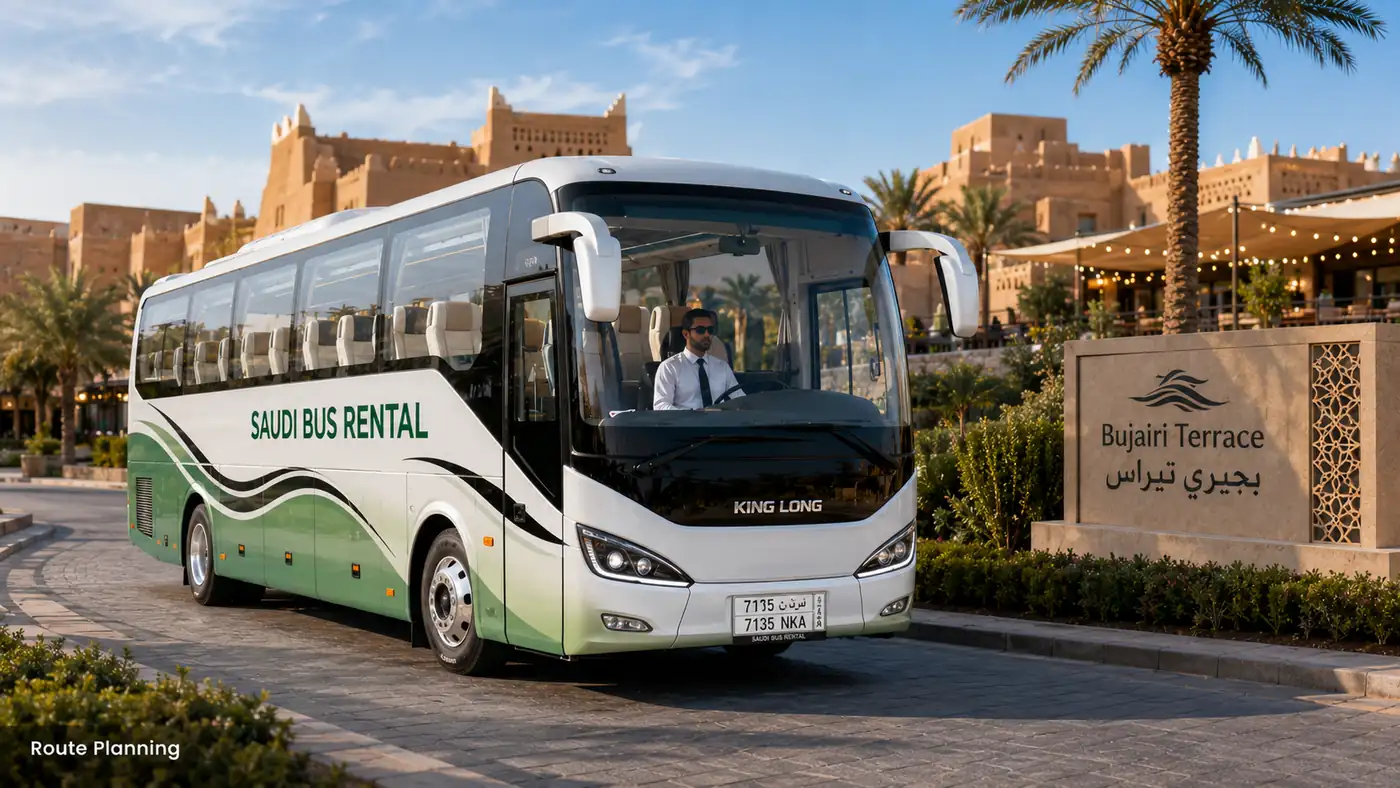
Van, minibus, staff bus, labor bus or coach is selected around passenger count, luggage and route type.
Driver-included passenger transport is available for companies, groups, airport transfers, events and scheduled routes.
City, pickup point, destination, timing, passenger count and service type are confirmed before quotation.
Staff, labor and monthly routes can be prepared with details useful for internal approval and LPO review.
Service support is organized around city routes, airport transfers, industrial areas, hotel movement and intercity passenger travel.
The service stays focused on buses, vans, minibuses, staff buses, labor buses, luxury coaches and group passenger transport.
These answers help customers prepare a complete quote request without extra back-and-forth.
Yes. Saudi Bus Rental LLC focuses on driver-included passenger transport for groups, companies, staff routes, labor movement, airport transfers, events and intercity travel.
Send your city, pickup point, destination, passenger count, date, timing, luggage, service type, contract period and coordinator WhatsApp number.
The right vehicle depends on passenger count, luggage, route distance, pickup access, comfort level and whether the trip is one-way, return, full-day or monthly.
Yes. Share working days, shift timings, pickup clusters, workplace location, passenger count and contract duration.
Yes. Send worker count, camp or accommodation location, project gate, shift timing, working days and route frequency.
Service enquiries can be reviewed for Riyadh, Jeddah, Dammam, Khobar, Makkah, Madinah, Jubail, Yanbu, Tabuk, AlUla and wider Saudi service areas.
Yes. Include airport name, terminal, flight timing, arrival or departure direction, passenger count, luggage and hotel or destination address.
Price depends on city, route distance, vehicle type, passenger count, duty hours, waiting time, stops, return plan and contract period.
Waiting and return service depends on duty hours, location, vehicle availability and route timing. Mention waiting and return time in your first message.
Confirm the exact pickup point, passenger readiness time, coordinator contact, destination, parking access, luggage and return plan before the vehicle arrives.
Yes. Send the expected passenger count, arrival waves, return timing, venue access and pickup locations. Multiple buses may be better when guests arrive from different hotels or districts.
Yes. Share route scope, vehicle category, passenger count, timing and contract period so the quote can support internal approval or LPO review.
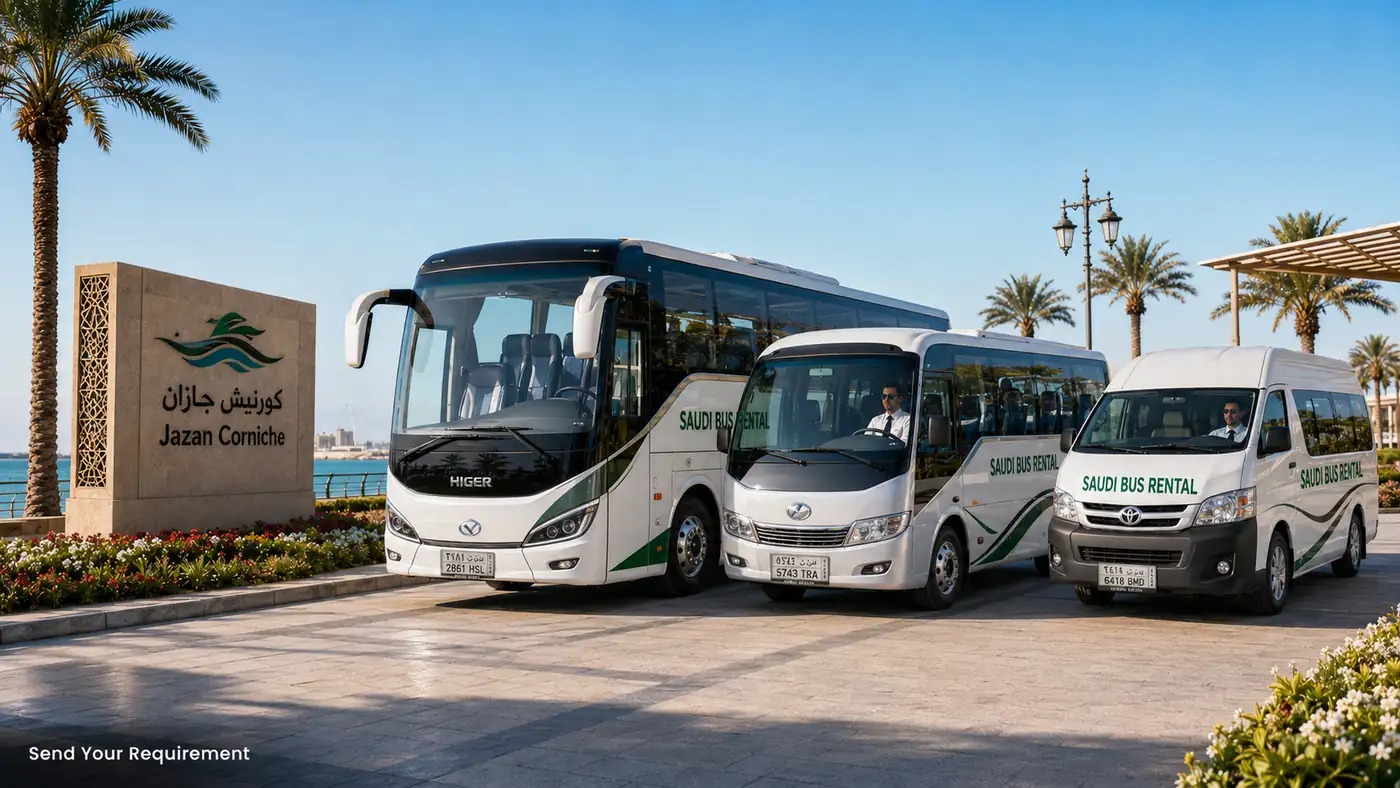
Share the city, pickup point, destination, passenger count, date, timing, vehicle preference, luggage and whether the movement is for staff, labor, airport transfer, group travel, event transport or intercity travel.
Request a Quote