
Telehandler Rental Saudi Arabia
This page is built for buyers who need a clear equipment support brief rather than a short equipment name only. For telehandler rental, include lift height, forward reach, attachment type, ground condition, route clearance and load weight so the quote is based on the real work area.
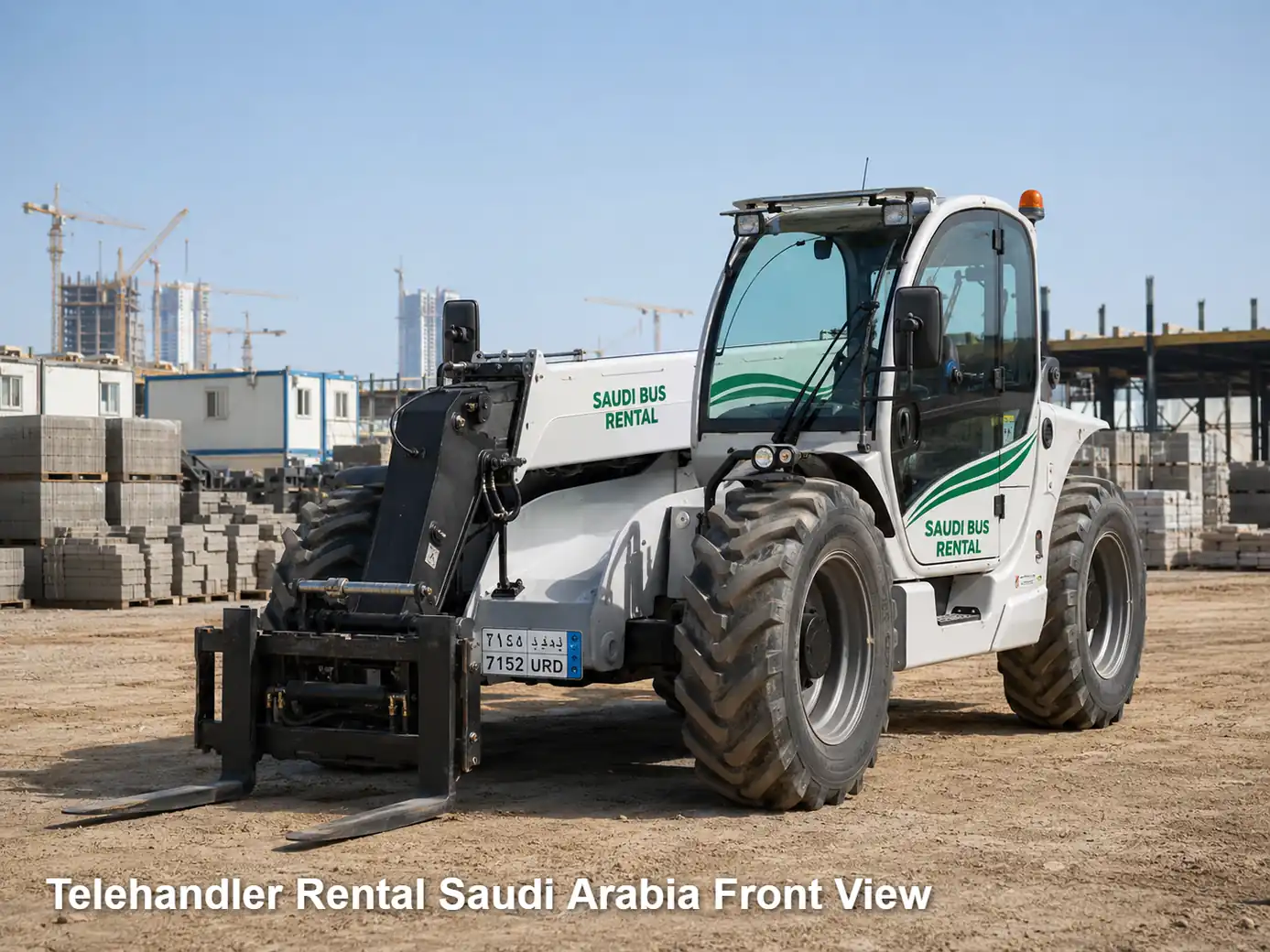
The key context is placing materials where forward reach, rough terrain and attachment choice affect the job. A clear note lets the team review the equipment duty, site access and timing without adding vague or repeated wording.
Write the handover point, the person responsible on site and any control linked to load chart limits, ground condition, banksman control and attachment inspection. These details keep telehandler rental aligned with the work rather than a generic equipment label.
Turn the machinery enquiry into a clear scope
Before a rate can be compared for telehandler rental, the request should explain lift height, forward reach, attachment type, ground condition, route clearance and load weight and show how the task fits construction yards, elevated loading, façade support and site material placement.
For telehandler rental, the practical review starts with lift height, forward reach, attachment type, ground condition, route clearance and load weight. That information helps confirm whether the requested equipment category fits the location, task and duty window.
Access notes for telehandler rental should cover entry route, setup point, waiting rule and handover contact. When the site involves construction yards, elevated loading, façade support and site material placement, the quotation team needs these details before final approval.
Where this machinery support fits
Telehandler Rental is useful when the buyer connects lift height, forward reach, attachment type, ground condition, route clearance and load weight with construction yards, elevated loading, façade support and site material placement.
Work task
Define the actual result first, such as placing materials where forward reach, rough terrain and attachment choice affect the job. This keeps the telehandler rental request connected to the site task.
Access route
Add the gate, route, setup point and any restriction before approval. Access details matter for telehandler rental when lift height changes the duty.
Timing window
State the report time, expected duration, waiting rule and whether telehandler rental is one-time or repeated for construction yards.
Site contact
Name the person who can approve entry, handover, safety notes and any change to the telehandler rental work area involving load chart limits.
Site access notes before dispatch
Access for telehandler rental should name the gate, route, unloading point and any restriction linked to lift height, forward reach, attachment type, ground condition, route clearance and load weight.
For telehandler rental, the site contact should confirm entry, setup, waiting, work and exit details for construction yards, elevated loading, façade support and site material placement. A pin or photo helps when access is tight.
Match the equipment to the task
The right choice for telehandler rental depends on the actual work. Check lift height, forward reach, attachment type, ground condition, route clearance and load weight, then decide whether the category matches the project duty.
If the telehandler rental plan changes, the coordinator should update access, timing and the first critical detail: lift height.
Practical details to include in the first message
Keep the telehandler rental message short, but include lift height, forward reach, attachment type, ground condition, route clearance and load weight because these details change the practical scope.
Site and duty
Describe where telehandler rental will work, especially if the task involves placing materials where forward reach, rough terrain and attachment choice affect the job.
Access and setup
Share the route, gate, unloading point and any constraint involving lift height, forward reach, attachment type, ground condition, route clearance and load weight.
Timing and duration
State the date, report time, expected hours and whether telehandler rental is one-time or repeated for construction yards.
Safety and contact
Name the responsible contact and note controls linked to load chart limits, ground condition, banksman control and attachment inspection.
Why site details control the final quote
Pricing for telehandler rental can change when lift height, mobilisation distance, duty time, waiting or setup space changes.
For telehandler rental, the quote should reflect placing materials where forward reach, rough terrain and attachment choice affect the job and the site where it will happen. That is why readiness and contact details are reviewed together.
Common issues to fix early
Missing task detail
The request becomes weak when not confirming reach, attachment or ground condition. Add the task, work area and equipment duty before asking for a final rate.
Unclear access
A narrow gate, slope, soft ground, ramp or busy loading point can change the plan for telehandler rental.
Open timing
Open-ended timing can affect telehandler rental mobilisation, waiting and support cost around construction yards. Put the duty window in the first message.
No site contact
One responsible coordinator should confirm access, handover and any change before telehandler rental dispatch.
Compare only the pages that help this decision
Keep the next step focused on alternatives, pricing checks and enquiry submission. Keep the telehandler rental decision tied to the actual site task.
Machinery transport overview
Use the overview when telehandler rental is part of a wider equipment movement or project support scope.
Machinery transport overviewForklift Rental
Compare this related option when the telehandler rental duty changes into a different equipment requirement.
Forklift RentalSaudi transport price factors
Review how distance, duty time, waiting and site access can affect the telehandler rental quote.
Saudi transport price factorsRequest a quote
Send the site, timing, access and task details when the telehandler rental request is ready.
Request a quoteQuestions about telehandler rental
These answers focus on telehandler rental site details, equipment duty, access, timing and quote preparation.
What should I send for telehandler rental?
Send the site location, required date, duty window, lift height, forward reach, attachment type, ground condition, route clearance and load weight, and the responsible contact who can confirm access on arrival.
Which site details can change the quote?
The main factors are mobilisation distance, work duration, waiting time, setup space, access restrictions and safety notes such as load chart limits, ground condition, banksman control and attachment inspection.
How can we reduce delays on service day?
For telehandler rental, confirm the gate, unloading or setup point, working area, time window and decision-maker before dispatch. A pin location or site photo helps when access is tight.
Can this be reviewed for repeated project use?
Yes. Repeated telehandler rental requirements can be reviewed when dates, duty hours, access notes and expected work scope are written for each visit.
Send a clear equipment support brief
Send the site, task, timing, access notes and contact details for telehandler rental. Saudi Bus Rental can review the machinery support request and guide the next practical step.