
Diriyah Project Transport
Diriyah site mobility supports project sites, industrial zones and work teams with route access, timing windows and vehicle planning.
Diriyah site mobility helps urban access and contractor teams plan heritage district project movement with route access, timing windows, vehicle suitability and approval details in one practical brief.
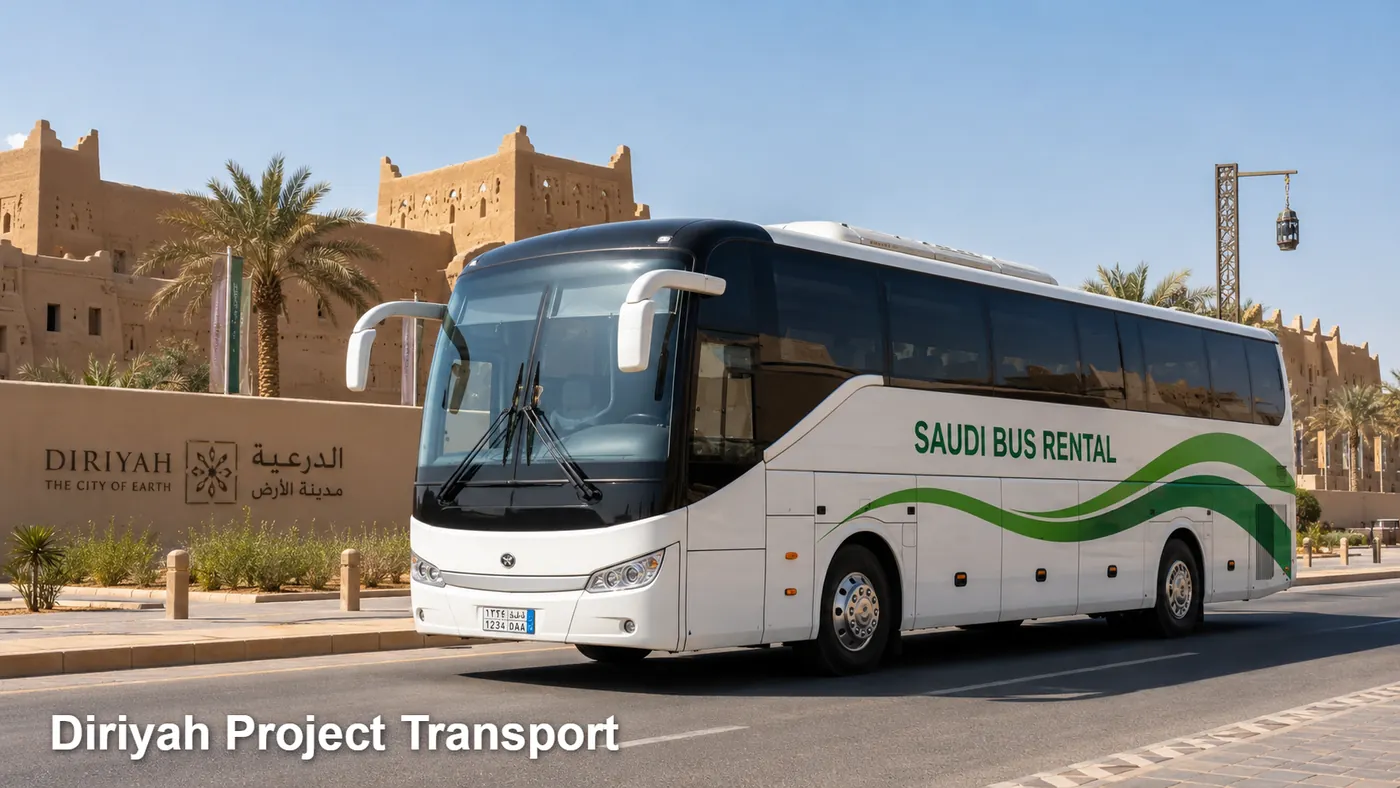
Diriyah mobility service overview
Diriyah site mobility is built for urban access and contractor teams who need a route-based, access-aware transport answer. The page focuses on the movement details that matter before a vehicle, driver or commercial scope is approved.
Diriyah site mobility movement scope
Define whether the need is workforce shuttle, staff transfer, visitor movement, equipment support, temporary route or remote-site movement. Context: Diriyah mobility.
Diriyah site mobility access notes
Share gate names, site contact, staging area, parking limits and reporting instructions before the vehicle is scheduled. Context: Diriyah mobility.
Diriyah site mobility approval path
Confirm who can approve route changes, extra waiting, additional trips and vehicle-size adjustments. Context: Diriyah mobility.
Planning factors for heritage district project movement
Filter the cards to focus on routing, crews, vehicle fit, standby, approvals or safety-aware coordination for this project movement. Context: Diriyah mobility.
Diriyah mobility: Pickup points and access gates
Diriyah site mobility needs pickup points, gate names and reporting locations written clearly before a vehicle is assigned. This prevents the request from being judged only by the project name.
Diriyah mobility: Crew movement and shift timing
Diriyah site mobility Requests often involve different crew waves, supervisors and operating windows. The request should separate morning, afternoon, night and ad hoc movement when they are not the same.
Diriyah site mobility vehicle fit
For heritage district project movement, vehicle choice should consider passenger count, luggage, tools, access limits, route distance and whether the movement is daily, temporary or phase-based.
Diriyah site mobility standby plan
Projects can change quickly, so backup expectations, waiting time and escalation contacts should be agreed before the first service day instead of during a delay. Context: Diriyah mobility.
Diriyah site mobility procurement flow
Procurement, operations and the site team should use one approved route scope, one contact chain and one commercial basis for diriyah site mobility.
Diriyah site mobility safety coordination
Safety-aware coordination means drivers, passengers and site contacts receive the same route, parking, gate and loading instructions. Context: Diriyah mobility.
Diriyah site mobility route changes
When a phase changes, update the pickup list, destination gate, service hours and vehicle category before dispatch planning is locked. Context: Diriyah mobility.
Diriyah site mobility quote scope
A quote for diriyah site mobility should say what is included, what is excluded, whether standby is required and who can approve additional movement.
Approval checklist for Diriyah project transport requests
Diriyah site mobility should be prepared as a shared brief for sales, procurement and site operations. The aim is to remove guesswork before the vehicle is committed.
Diriyah mobility commercial intent
Diriyah site mobility is a commercial service page for buyers who already know that transport is needed but still need the scope to be shaped. The page should help the visitor move from a broad enquiry to a usable project movement brief. For Diriyah project transport requests, that means writing the route, crew count, access points, service hours, waiting time and approval contact before asking for a final vehicle or price answer.
Diriyah mobility route control
The strongest plan for diriyah site mobility starts with route control. Pickup points should be named, destination gates should be described, and return movement should be separated from arrival movement when the timings are different. This is especially important for heritage district project movement, where crews, supervisors, visitors or support vehicles may not all move at the same time.
Diriyah mobility operating window
Timing is often the detail that changes the whole arrangement. Early reporting, late returns, split shifts, standby and sudden phase changes can affect driver duty and vehicle allocation. For diriyah site mobility, the service window should be written as a practical operations note, not left as a rough instruction.
Diriyah mobility vehicle suitability
Vehicle planning should fit restricted access points, staging areas and city movement control. A staff shuttle, high-capacity bus, minibus, van, coach, heavy support vehicle or equipment transport arrangement may each require different information. The page therefore guides the buyer to explain the movement instead of forcing one vehicle type too early.
Diriyah mobility access and responsibility
Access responsibility should be clear before dispatch. If the site has controlled gates, staging areas, limited parking, security checks or separate contractor entrances, the buyer should share those notes with sales before approval. Saudi Bus Rental can then review the movement with better operational context, while site permissions remain the client or project-side responsibility. Context: Diriyah mobility.
Diriyah mobility quote preparation
A useful quote for diriyah site mobility depends on scope. The enquiry should state whether the need is daily, monthly, temporary, phase-based, emergency support or event-linked. It should also explain whether fuel, driver, backup, waiting time, vehicle replacement or additional trips are expected. This prevents the commercial discussion from becoming unclear after deployment.
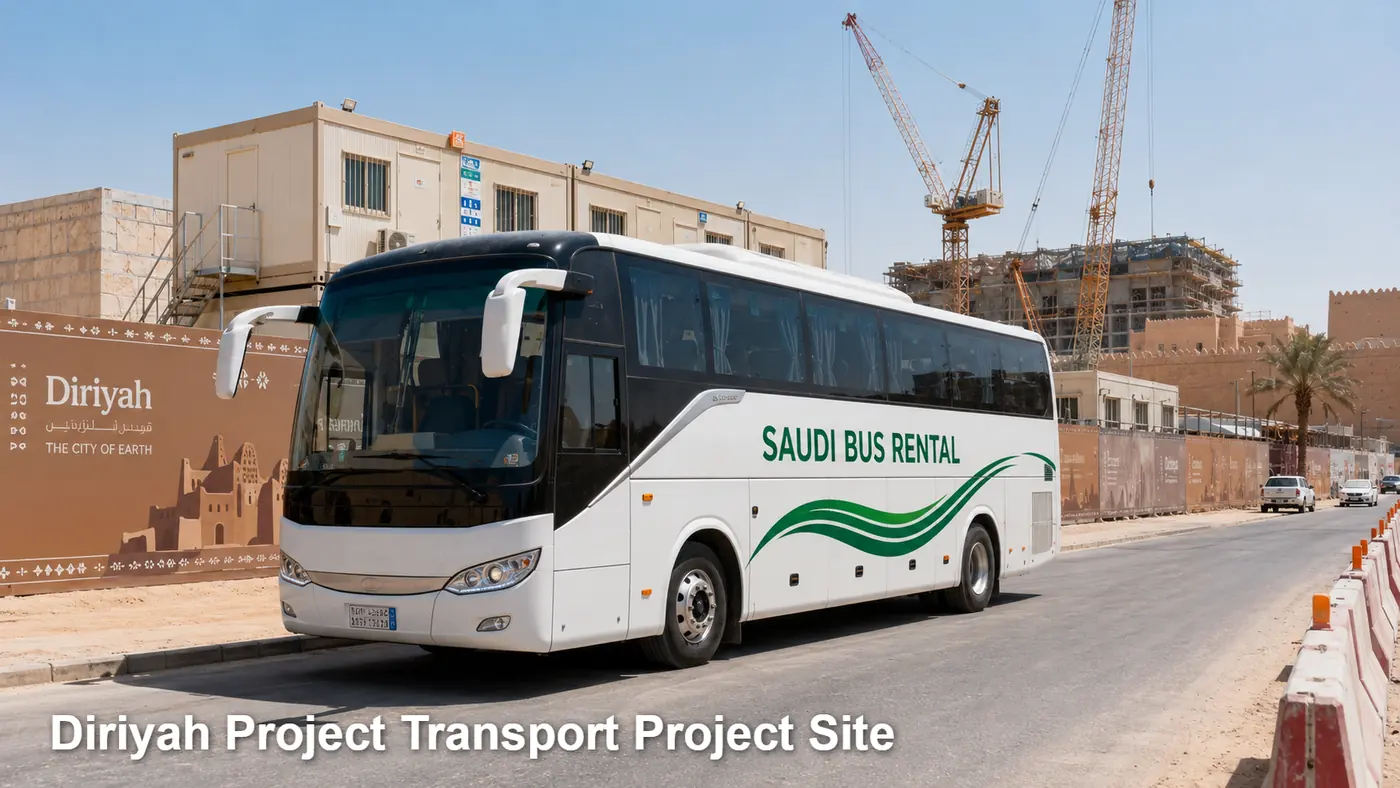
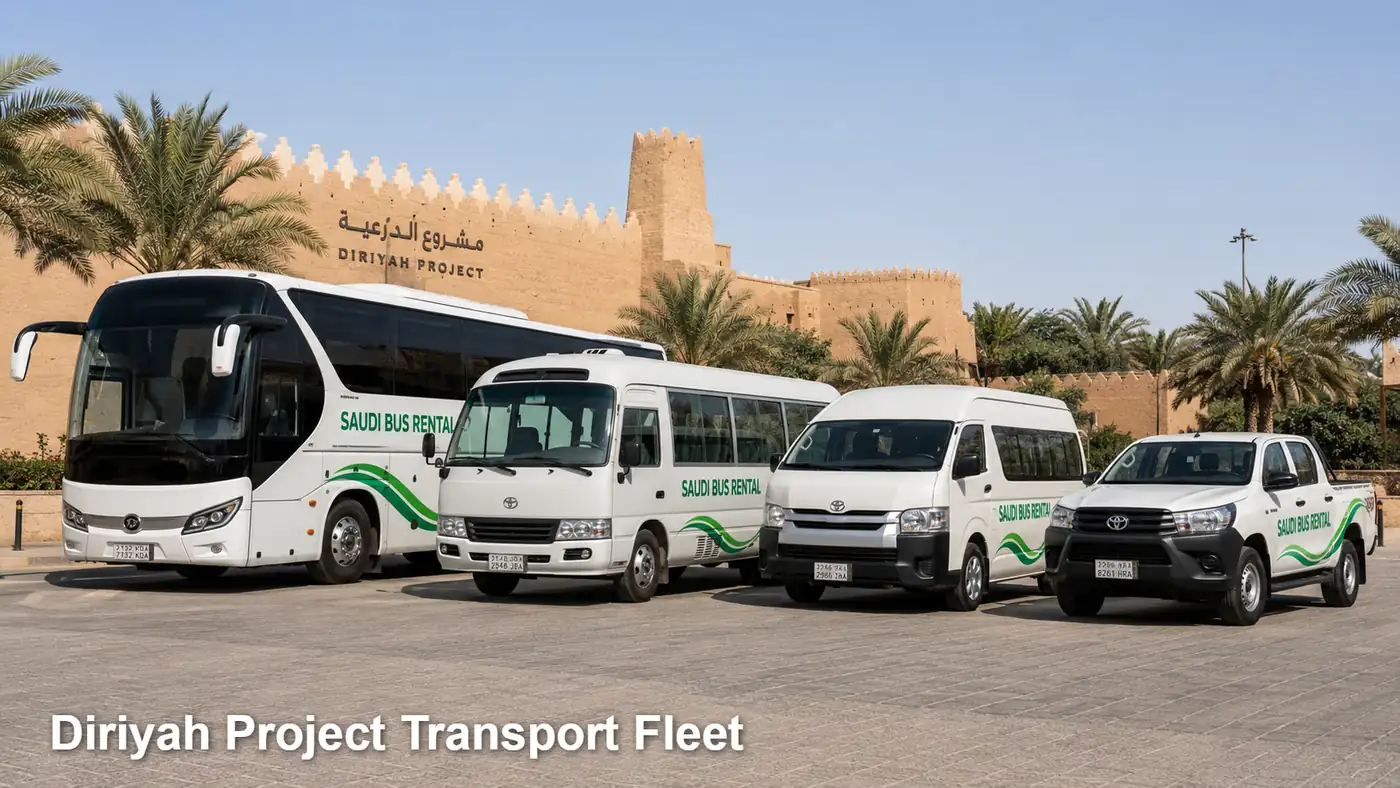
Where Diriyah mobility is usually needed
Use these scenarios to decide whether the request needs passenger transport, workforce movement, temporary deployment, contractor access, equipment support or event-linked service. Context: Diriyah mobility.
Diriyah site mobility daily route support
Use this model when diriyah site mobility supports regular reporting and return movement between accommodation, offices, staging points and the project site.
Diriyah site mobility phase movement
Use this model when manpower, equipment or service frequency changes as the project moves from setup to active work or handover. Context: Diriyah mobility.
Diriyah site mobility contractor transfer
Use this model when main contractors and subcontractors need separate pickup times, trade groups or gate instructions. Context: Diriyah mobility.
Diriyah site mobility controlled access
Use this model when distance, security, controlled access or remote geography makes timing and communication more important. Context: Diriyah mobility.
Diriyah site mobility equipment support
Use this model when the request includes tools, project materials or equipment movement that must be separated from passenger movement. Context: Diriyah mobility.
Diriyah site mobility milestone transport
Use this model when a project milestone, ceremony, inspection, VIP visit or event creates temporary transport demand. Context: Diriyah mobility.
Mistakes that delay diriyah mobility
These mistakes commonly slow down project transport approval and can create service-day confusion if they are not corrected early. Context: Diriyah mobility.
Diriyah site mobility: project name only
Diriyah site mobility cannot be reviewed properly from a project name alone. The route, duty window and access requirement must be supplied.
Diriyah site mobility: unclear gate details
Gate names, parking areas and reporting points should be confirmed early because drivers may not be allowed to wait in the wrong area. Context: Diriyah mobility.
Diriyah site mobility: low passenger or load estimate
Passenger count, load details and luggage or tool needs should be realistic so the selected vehicle is not too small. Context: Diriyah mobility.
Diriyah site mobility: late timing changes
Last-minute timing changes can affect driver duty, replacement coverage and the next scheduled movement. Context: Diriyah mobility.
Diriyah site mobility: missing site contact
Without a site contact, the driver may reach the area but still lose time finding the correct gate, staging point or receiving team. Context: Diriyah mobility.
Diriyah site mobility: treating guidance as approval
This guide explains planning only. It does not confirm project access, client approval, permits or guaranteed availability. Context: Diriyah mobility.
Questions before approving urban heritage access planning
These answers keep the next step practical without claiming access approval, guaranteed availability or unsupported project partnership. Context: Diriyah mobility.
What details are needed for Diriyah site mobility?
Send pickup point, site gate, access note, passenger or equipment count, reporting time, return time, preferred vehicle category and one coordinator contact. For diriyah site mobility, the details should match heritage district project movement and restricted access points, staging areas and city movement control.
Can Diriyah site mobility support changing phases?
Changing phases can be reviewed when the movement window, passenger count, route access and vehicle duty are updated before dispatch planning. For diriyah site mobility, the details should match heritage district project movement and restricted access points, staging areas and city movement control.
Does Diriyah site mobility confirm project access?
No. The page explains transport planning only. Site access, gate permission and official approvals must be handled through the client or relevant project process. For diriyah site mobility, the details should match heritage district project movement and restricted access points, staging areas and city movement control.
What should be checked before Diriyah site mobility starts?
Confirm route access, pickup discipline, driver reporting time, passenger list, standby expectations, emergency contact and final approval channel. For diriyah site mobility, the details should match heritage district project movement and restricted access points, staging areas and city movement control.
Related resources for Diriyah mobility
Choose the related page that matches the next decision: staffing, workforce, equipment, remote access, safety or a direct quote request. Context: Diriyah mobility.
Project Site Transport Saudi Arabia
Open Project Site Transport Saudi Arabia when the next decision after diriyah site mobility is about project site transport saudi arabia, pricing, safety, staffing, equipment or direct quotation.
Project Site Transport Saudi ArabiaTemporary Site Transport Saudi Arabia
Open Temporary Site Transport Saudi Arabia when the next decision after diriyah site mobility is about temporary site transport saudi arabia, pricing, safety, staffing, equipment or direct quotation.
Temporary Site Transport Saudi ArabiaEvent Project Transport Saudi Arabia
Open Event Project Transport Saudi Arabia when the next decision after diriyah site mobility is about event project transport saudi arabia, pricing, safety, staffing, equipment or direct quotation.
Event Project Transport Saudi ArabiaContractor planning for Diriyah mobility
Open Contractor Project Transport Saudi Arabia when the next decision after diriyah site mobility is about contractor project transport saudi arabia, pricing, safety, staffing, equipment or direct quotation.
Contractor Project Transport Saudi ArabiaFleet FAQs
Open Fleet FAQs when the next decision after diriyah site mobility is about fleet faqs, pricing, safety, staffing, equipment or direct quotation.
Fleet FAQsRequest Diriyah mobility quote
Open Request a Quote when the next decision after diriyah site mobility is about request a quote, pricing, safety, staffing, equipment or direct quotation.
Request a QuoteSend diriyah mobility details for review
Send pickup points, site access notes, timing windows, passenger or equipment count, vehicle preference, standby needs and one responsible contact. Saudi Bus Rental can then review the project movement scope and advise the right next step. Context: Diriyah mobility.